
Progress Tracking: Monitoring Your Child’s Development with Autism Therapy at Home

A fundamental aspect of effective autism therapy at home is the systematic monitoring and tracking of a child’s progress. Applied Behavior Analysis (ABA) is inherently data-driven; it relies on objective data to make informed clinical decisions, celebrate milestones, and ensure the therapy plan remains effective and responsive to the child’s evolving needs. For parents, understanding […]
From Nonverbal to Communicator: Speech and Language Tips for Autism Therapy at Home

Difficulty with speech and language is one of the hallmark characteristics of autism spectrum disorder (ASD). Many children with autism may be nonverbal or have limited functional communication skills. The good news is that home-based therapy provides an ideal environment to foster speech and language development using evidence-based strategies. By integrating Applied Behavior Analysis (ABA) […]
The Power of Praise: Applying Positive Reinforcement During Autism Therapy at Home

Positive reinforcement is arguably the single most important and powerful principle used in Applied Behavior Analysis (ABA) therapy. At its core, positive reinforcement is the process of providing something the child values immediately after a desired behavior occurs, making that behavior more likely to happen again in the future. Integrating this strategy effectively into home-based […]
Mastering Milestones: Teaching Daily Living Skills Through Autism Therapy at Home

Achieving independence in daily living skills—such as dressing, grooming, eating, and basic chores—is a significant goal for individuals with autism spectrum disorder (ASD). While these tasks may seem straightforward, they often involve complex sequences of movements, sensory processing challenges, and executive functioning demands that can be difficult for children with autism to master. Home-based Applied […]
Tackling Tough Behaviors: Proactive Management Strategies for Autism Therapy at Home

Challenging behaviors—such as tantrums, aggression, or self-injury—are often the primary concern for parents of children with autism spectrum disorder (ASD). These behaviors can be disruptive and stressful for the entire family. Applied Behavior Analysis (ABA) therapy at home provides effective, proactive strategies to manage and reduce these tough behaviors. By understanding why a behavior is […]
Sensory Solutions: Easy Ways to Integrate Sensory Activities into Autism Therapy at Home

Sensory processing differences are common for individuals with autism spectrum disorder (ASD). Some children may seek out intense sensory input (sensory seeking), while others may be highly sensitive or avoidant of certain sensations (sensory sensitive). Understanding and integrating appropriate sensory activities into home-based autism therapy is essential for helping a child regulate their nervous system, […]
The Visual Advantage: Implementing Visual Schedules for Effective Autism Therapy at Home
For individuals with autism spectrum disorder (ASD), the world can often seem unpredictable and overwhelming. Changes in routine, unclear expectations, and unexpected transitions can lead to anxiety and challenging behaviors. This is where visual schedules become a powerful, evidence-based tool in Applied Behavior Analysis (ABA) therapy. Implementing visual schedules for autism therapy at home creates […]
Setting the Stage: Creating an Optimal Learning Environment for Autism Therapy at Home

Creating the right physical and social environment is crucial for maximizing the effectiveness of home-based Applied Behavior Analysis (ABA) therapy. A well-designed learning space in your home is more than just a room with toys; it’s a strategically organized setting designed to minimize distractions, promote focus, and encourage positive interactions. By setting the stage appropriately, […]
Beyond the Clinic Walls: Maximizing Progress with Play-Based Autism Therapy at Home

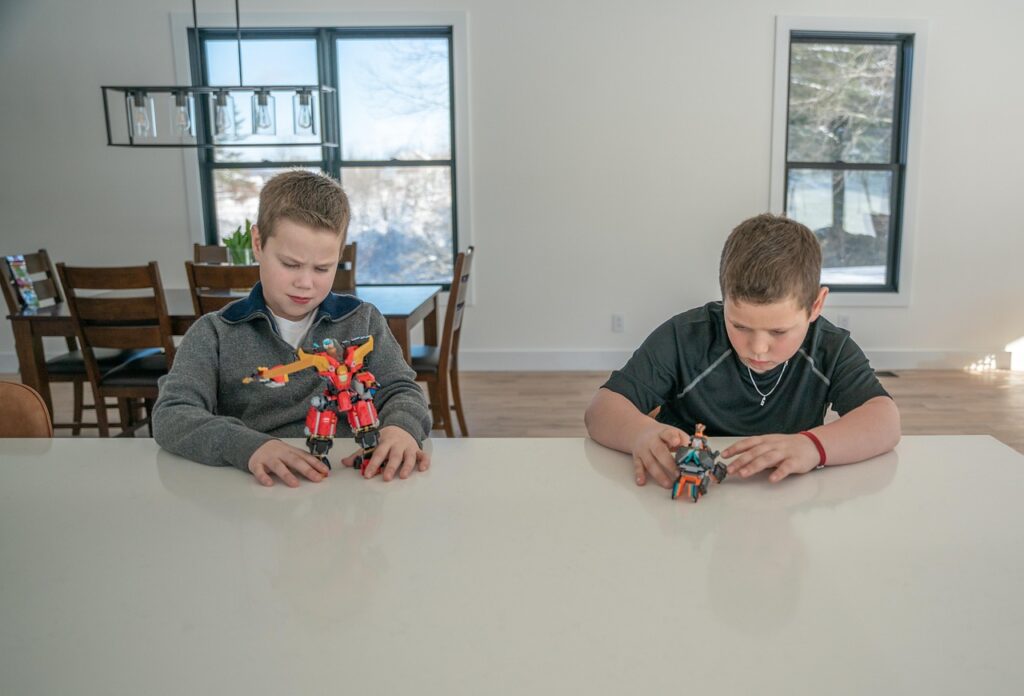
Therapy for autism spectrum disorder (ASD) doesn’t just happen within the structured walls of a clinic. For many children, the most effective learning occurs in the environments where they live, play, and interact daily. Play-based autism therapy at home leverages the natural motivation of play to teach essential skills in a comfortable and familiar setting. […]
Finding the Right Fit: Connecting with Qualified Providers for Autism Therapy at Home

Choosing an Applied Behavior Analysis (ABA) provider for in-home therapy is one of the most important decisions a family will make following an autism diagnosis. The effectiveness of the therapy depends significantly on the quality of the provider, the qualifications of the team, and the fit with your family’s values and needs. This guide offers […]