



Therapy for autism spectrum disorder (ASD) doesn’t just happen within the structured walls of a clinic. For many children, the most effective learning occurs in the environments where they live, play, and interact daily. Play-based autism therapy at home leverages the natural motivation of play to teach essential skills in a comfortable and familiar setting. This approach seamlessly integrates the principles of Applied Behavior Analysis (ABA) into everyday activities, making learning fun, organic, and highly effective for generalizing skills across all aspects of family life.
The Power of Play-Based Approaches in Autism Therapy at Home in General
Traditional ABA therapy often involves structured, one-on-one sessions, known as Discrete Trial Training (DTT). While effective for teaching foundational skills, play-based approaches, like Natural Environment Teaching (NET), focus on applying those skills in more natural, engaging contexts.
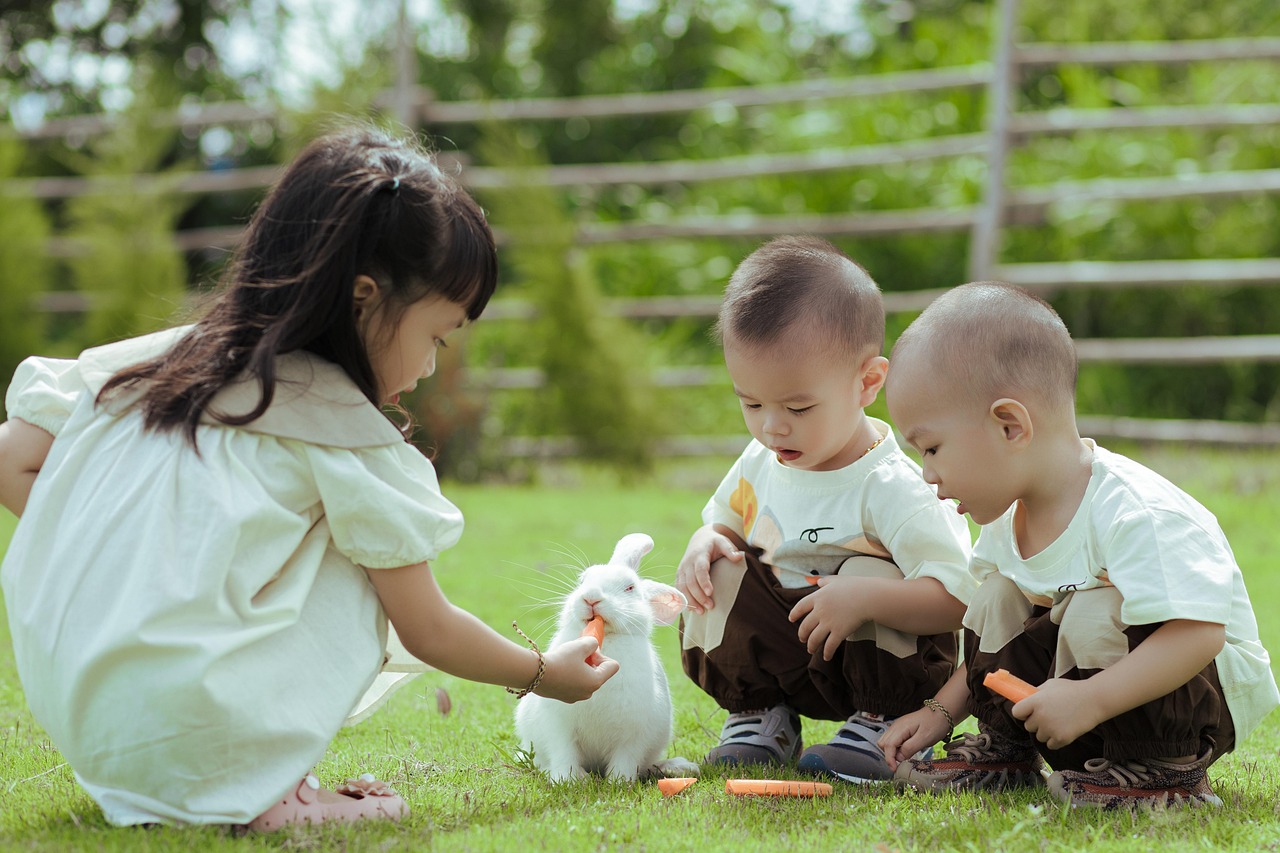
- Intrinsic Motivation: Play is naturally reinforcing for children. By using toys, games, and favorite activities, therapists tap into a child’s intrinsic motivation, making them more receptive to learning and reducing the perceived “work” of therapy.
- Skill Generalization: Learning how to share, communicate, or take turns during a real game of Chutes and Ladders at the kitchen table is far more effective for generalization than practicing those skills in an artificial setting.
- Enhanced Engagement: The dynamic and flexible nature of play keeps children engaged for longer periods, leading to more consistent and sustained learning opportunities.
Key Principles of Play-Based Autism Therapy at Home in General
The effectiveness of this approach lies in the structured application of behavioral principles within the play environment.
- Following the Child’s Lead: A cornerstone of NET is using the child’s interests to drive the interaction. The therapist observes what the child is motivated by and uses those items and activities as learning tools and reinforcers.
- Embedding Learning Opportunities: Every play interaction becomes a chance to teach a skill. For example, if a child reaches for a toy car, the therapist might prompt them to ask for “car” or “go” before giving it to them, linking communication directly to a desired outcome.
- Using Natural Reinforcement: The outcome of the play activity itself often serves as the reward (e.g., getting a turn, making a tower fall down, hearing the car go vroom). This makes the learning more organic and less reliant on external, artificial reinforcers.
- Parent and Caregiver Involvement: The home setting naturally includes parents and siblings. Therapists actively train caregivers to use these play-based strategies, ensuring consistency and maximizing learning opportunities throughout the day, long after the therapist has left.
Strategies for Maximizing Progress in Autism Therapy at Home in General
Parents can work alongside therapists to maximize the effectiveness of play-based therapy and seamlessly integrate learning into daily routines.
- Establish a Play-Rich Environment: Ensure the home is set up with engaging, age-appropriate toys and materials that can be used for various learning goals.
- Be Present and Engaged: Active parent participation is crucial. Learn to observe your child’s cues and interests, and use them as leverage for interaction.
- Utilize “First/Then” and Visual Supports: While play-based therapy is flexible, it still benefits from structure. Visual aids, like a “first we play with bubbles, then we play with blocks” board, can help manage transitions and expectations during playtime.
- Break Down Skills (Task Analysis): Complex play skills, like playing a new board game with rules, can be broken down into smaller steps. The therapist and parent can teach and reinforce each step until the child masters the whole sequence.
- Model Appropriate Play: Sometimes children need to be shown how to play with a toy in different ways. Modeling provides clear examples of how to interact, use imagination, and engage in functional play.
Generalizing Skills: Beyond the Playroom in Autism Therapy at Home in General
The true measure of progress is the ability to use skills in various real-world situations. Play-based home therapy naturally extends learning to other community environments.
- Community Outings: Skills practiced during play at home, such as waiting for a turn, asking for an item, or managing frustration, can then be practiced during real-world outings, like at a playground, a local library, or a grocery store.
- School Readiness: The flexible and responsive nature of play-based learning helps children adapt more easily to the dynamic social and learning environments found in school settings.
- Social Interactions: By practicing social interactions during play with parents and siblings, children build the foundational skills necessary for more complex peer relationships later on.
The Long-Term Impact of Play-Based Autism Therapy at Home in General
By moving beyond the clinic walls and embracing the power of play, families can create a supportive, engaging, and effective learning environment. Play-based autism therapy at home fosters a love for learning, strengthens family bonds, and empowers children with the skills they need to navigate their world with confidence and joy.