



Difficulty with speech and language is one of the hallmark characteristics of autism spectrum disorder (ASD). Many children with autism may be nonverbal or have limited functional communication skills. The good news is that home-based therapy provides an ideal environment to foster speech and language development using evidence-based strategies. By integrating Applied Behavior Analysis (ABA) principles and speech therapy techniques into daily routines, parents and therapists can help children find their voice and effectively communicate their needs, wants, and ideas. This guide outlines general strategies for promoting speech and language development through autism therapy at home.
Understanding Communication in Autism Therapy at Home in General
Communication is much broader than just spoken words. In ABA therapy, “functional communication” is the goal—meaning the child can effectively make their needs known. This might involve verbal speech, gestures, picture exchange systems (PECS), or augmentative and alternative communication (AAC) devices.
- Behavior as Communication: All behavior is a form of communication. A tantrum might mean “I want that toy” or “I want to escape this task.” Understanding this function is the first step in teaching a more appropriate, functional way to communicate.
- The Power of Motivation: Language development is highly dependent on motivation. When a child learns that using a word or a picture results in getting what they want, they are motivated to communicate again.
- Natural Environment Teaching (NET): The home environment is perfect for NET, where communication skills are taught within naturally occurring, motivating situations like playtime, mealtimes, and bath time.
Strategies for Fostering Speech and Language in Autism Therapy at Home in General
Therapists and parents can use several effective strategies to encourage speech and language development throughout the day.
Creating Opportunities for Communication in Autism Therapy at Home in General
A crucial strategy is to create situations where the child is motivated to communicate to get their needs met.
- Capture the Motivation: Observe what your child wants in the moment. If they reach for a snack, this is a prime opportunity to prompt them to ask for it.
- Use Communication Temptations: Intentionally place desired items slightly out of reach, put them in a container that is difficult to open, or give them only a small portion of a favorite snack. This “temptation” increases the motivation to use a word or a request.
- Pausing and Waiting: After presenting a prompt or setting up a communication opportunity, pause and wait expectantly. This gives the child time to process the information and attempt communication. Avoid jumping in too quickly.
Prompting and Fading in Autism Therapy at Home in General
Prompts are essential cues to help the child succeed in their communication attempts.
- Least-to-Most Prompting: Start with the least intrusive prompt necessary (e.g., a hand gesture) and only increase prompting intensity (e.g., verbal, then physical) if needed.
- Prompt Fading: Fading prompts is critical to ensure the child becomes independent in their communication. The goal is for the child to eventually communicate without any prompts.
Modeling and Reinforcement in Autism Therapy at Home in General
Modeling the correct language and reinforcing communication attempts are key to learning.
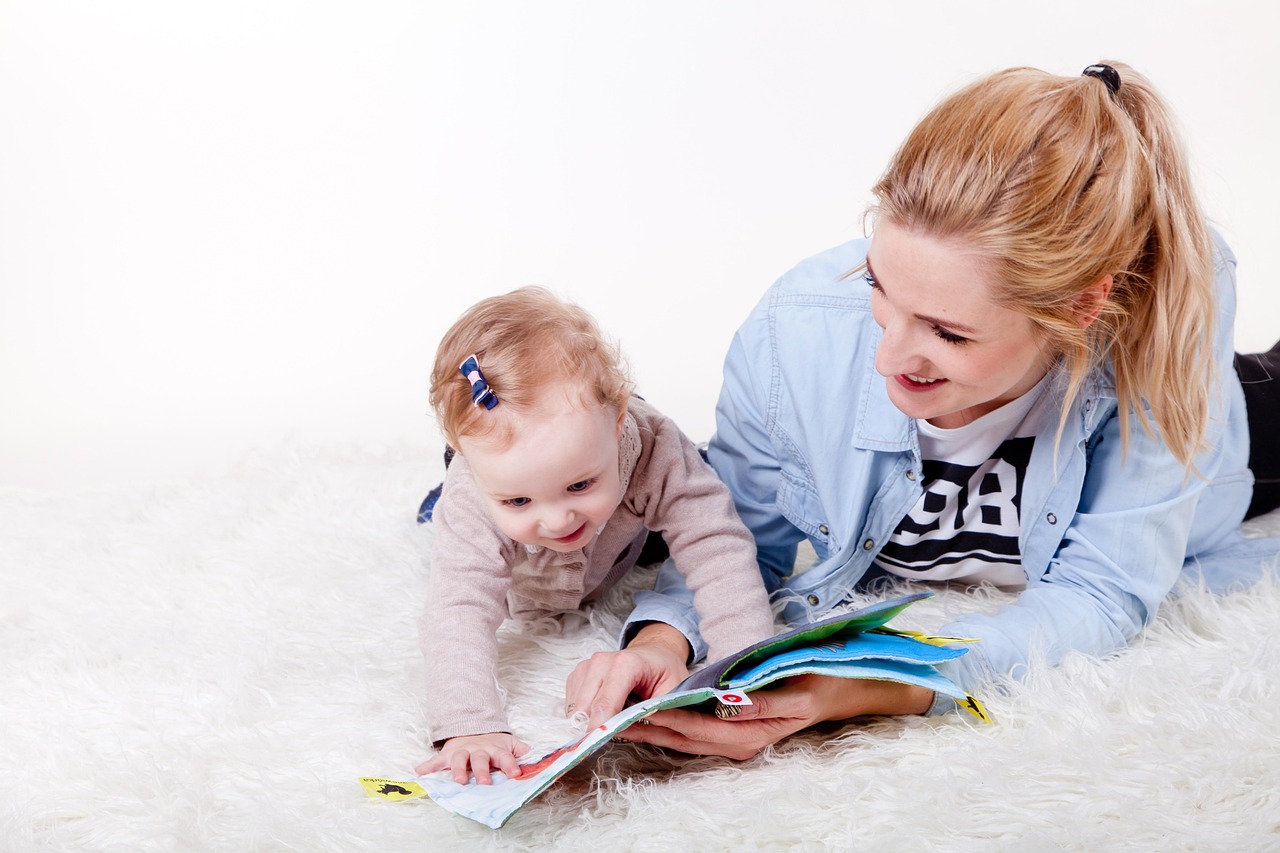
- Modeling Language: When the child is playing with a car, model simple words related to the action (e.g., “car,” “go,” “fast”).
- Parallel Talk: Describe what the child is doing or looking at as they play (e.g., “You are building a big tower”).
- Positive Reinforcement: Provide immediate and enthusiastic reinforcement for any attempt at communication, even if it is just a sound or a gesture that approximates the goal. The goal is to reinforce the attempt to communicate.
- Expand on Utterances: If a child says “car,” you can expand on that by saying, “Yes, red car!” This models slightly more complex language without demanding a full sentence.
Integrating Alternative Communication Methods in Autism Therapy at Home in General
If a child is nonverbal or struggles with verbal communication, alternative methods can be highly effective.
- Picture Exchange Communication System (PECS): PECS teaches children to exchange pictures for desired items or activities. This builds foundational communication skills and can later transition to verbal speech or AAC devices.
- Augmentative and Alternative Communication (AAC) Devices: These can range from simple voice output devices to complex iPad apps that allow children to select images to form sentences.
- Consistency is Key: The in-home BCBA will work with speech-language pathologists (SLPs) and parents to ensure consistent use of the chosen communication method across all environments.
The Long-Term Goal of Communication in Autism Therapy at Home in General
The ultimate goal of speech and language therapy within the home environment is functional communication that allows the child to interact with their world, build relationships, and advocate for themselves. By leveraging the natural environment, parents and therapists can create countless opportunities for the child to find their voice, whether through words, gestures, or a communication device, and master this critical life skill.