



An autism diagnosis and subsequent therapy journey impact every member of the family unit. While the primary focus of therapy is the child with autism, the well-being of siblings and the effectiveness of the treatment plan are significantly enhanced when the entire family is involved. Home-based Applied Behavior Analysis (ABA) therapy provides a natural platform for family-centered care, turning everyday interactions into valuable learning opportunities and ensuring consistency of strategies across all family members. This guide explores the benefits and practical strategies for meaningfully involving siblings and the broader family in autism therapy at home.
Understanding the Sibling Experience in Autism Therapy at Home in General
Siblings of children with autism navigate a unique set of challenges and emotions. They may feel a range of emotions, including love, pride, confusion, jealousy over the attention the child with autism receives, or concern about their sibling’s future.
- Need for Information: Siblings benefit from age-appropriate information about autism. Understanding why their brother or sister behaves in certain ways can reduce confusion, frustration, and build empathy.
- A Desire to Help: Many siblings want to be involved and helpful but may lack the tools to interact effectively or manage challenging behaviors.
- Emotional Support Needs: Siblings need dedicated attention from parents and access to their own support systems to process their feelings and ensure their needs are not overlooked.
Involving them in the therapy process addresses these needs directly, transforming them from passive observers into informed, active participants and valuable play partners.
Benefits of Family Inclusion in Autism Therapy at Home in General
Integrating the entire family into the therapy process provides profound benefits for everyone involved.
- Skill Generalization and Consistency: Skills learned with a therapist need to be practiced with different people in different settings. Family members offer the most natural and consistent opportunities for the child to use new communication or social skills.
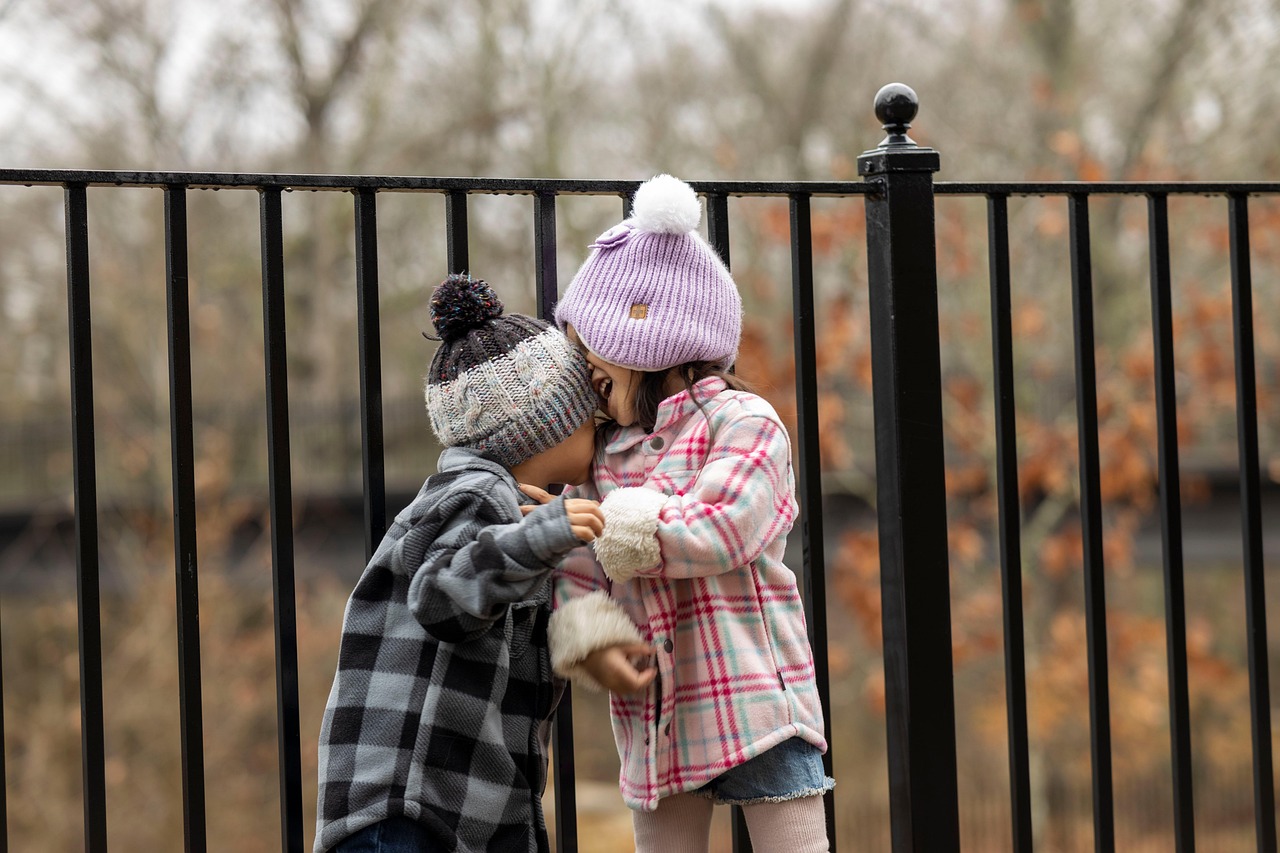
- Enhanced Social Interaction: Peers, including siblings, are often more powerful and natural social models than adults. Supervised interactions in a safe home environment can facilitate age-appropriate play and interaction.
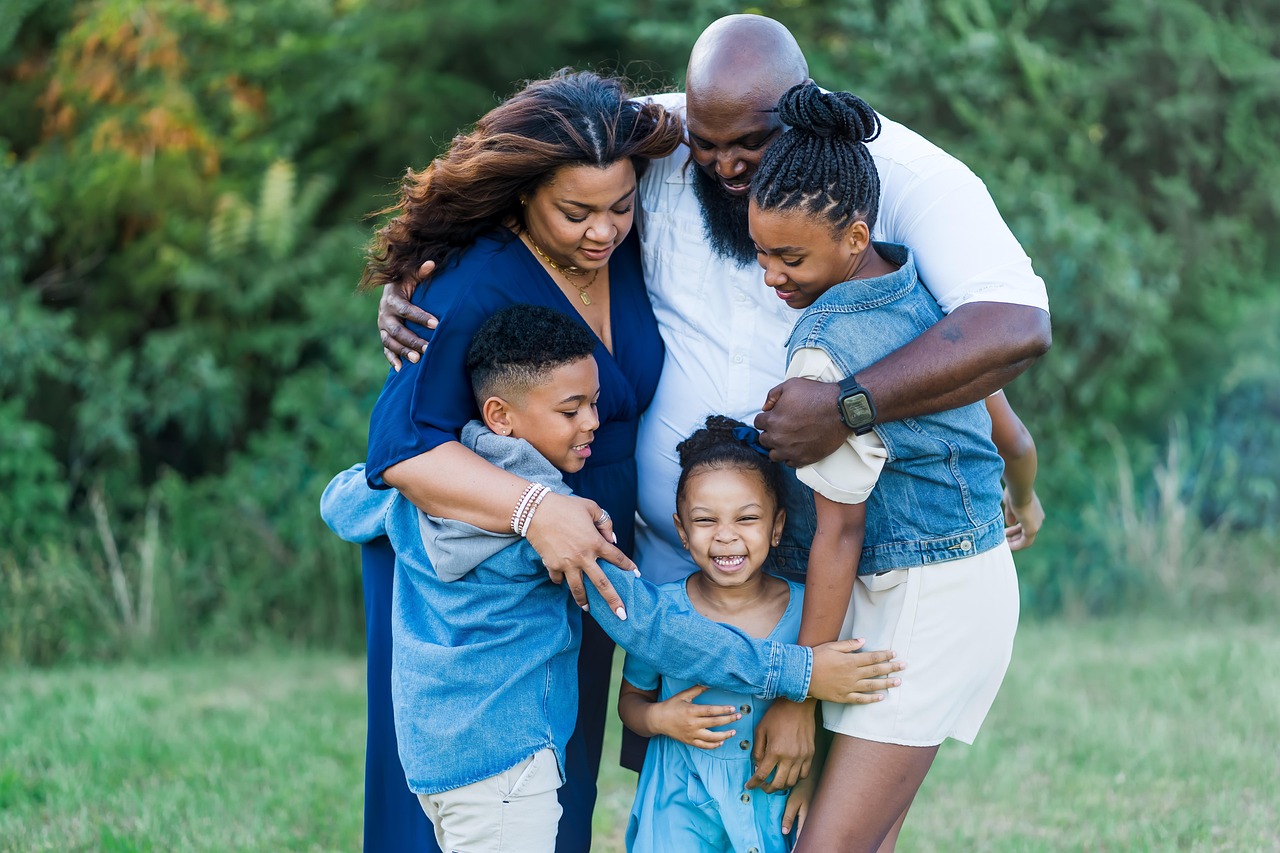
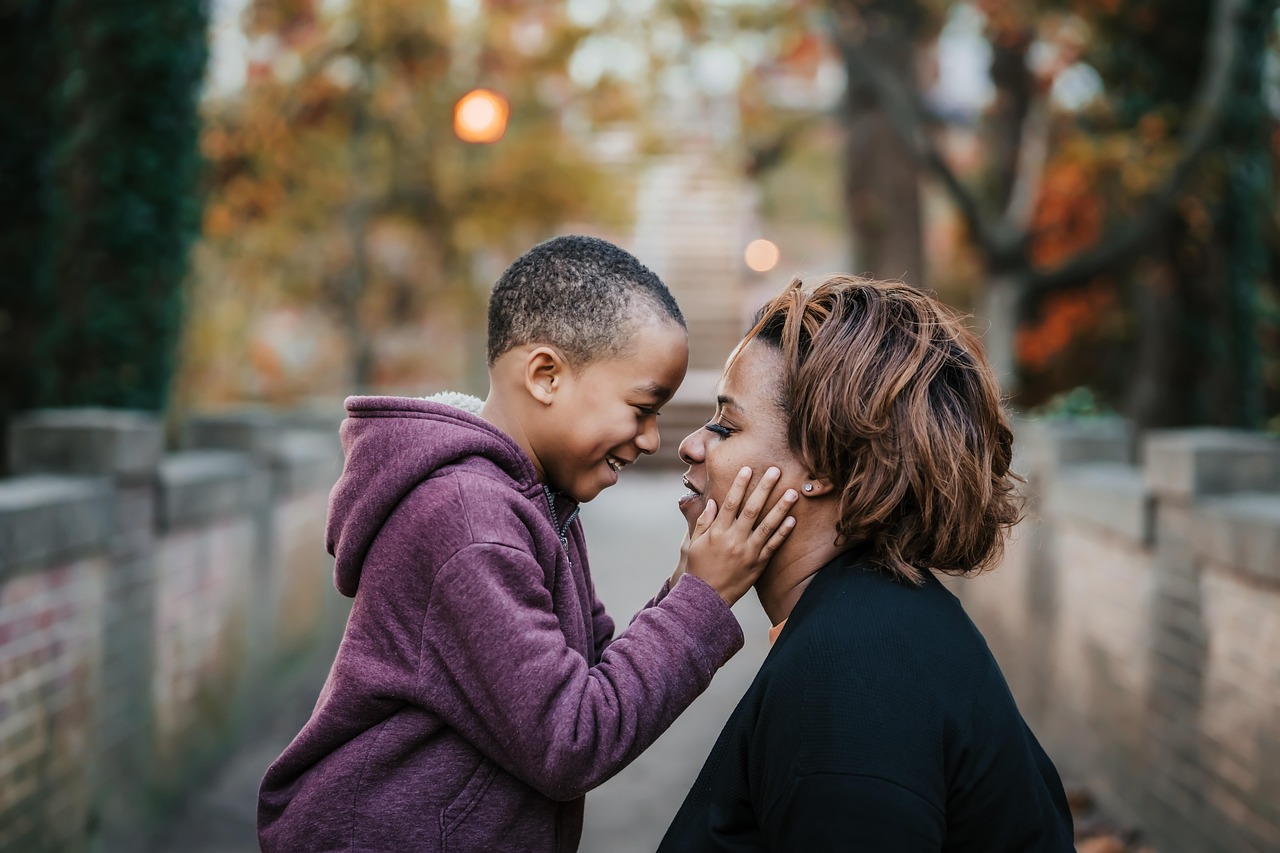
- Stronger Family Bonds: Collaborative involvement in the child’s development strengthens the family unit, fostering mutual support and shared goals.
- Empowerment: Teaching family members simple ABA principles empowers them with the tools to interact positively, reducing friction and increasing successful interactions.
Strategies for Sibling and Family Involvement in Autism Therapy at Home in General
Meaningful family involvement must be structured, supervised, and adapted to the family member’s age and comfort level. The in-home therapy team (BCBA and RBTs) plays a crucial role in facilitating this.
Structured Sibling Training in Autism Therapy at Home in General
Many in-home ABA providers offer formal or informal sibling training programs. These sessions teach fundamental ABA principles tailored to the sibling’s age.
- Teaching Play Skills: Siblings can be taught how to initiate play, take turns, and reinforce positive behaviors using simple, positive interactions. The focus is on fun and engagement, not “therapizing” their sibling.
- Communication Support: Training can include modeling language, using simple words, and providing wait time for their sibling with autism to respond.
- Behavioral Strategies: Siblings learn the basics of positive reinforcement (e.g., specific praise, high-fives) to encourage desired behaviors and simple redirection techniques for challenging moments.
- Supervised Play Dates: The in-home therapist can facilitate structured play dates between the siblings, providing real-time coaching and ensuring the session is positive and successful for both children.
Parent and Extended Family Training in Autism Therapy at Home in General
Parent training is a core component of in-home ABA therapy. This extends to other caregivers, such as grandparents or babysitters.
- Consistent Strategies: Training ensures that all adults interacting with the child use the same language, prompts, and reinforcement strategies. Consistency is vital for effective ABA therapy.
- Understanding the “Why” Behind Behaviors: Educating the extended family on the function of behavior and how to respond effectively reduces frustration and ensures everyone is on the same page.
- Utilizing Daily Routines: Parents and family members learn how to embed learning opportunities into everyday routines like bath time, dinner time, and chores, maximizing the child’s progress.
Ensuring Sibling Wellness and Support in Autism Therapy at Home in General
Involving siblings should not come at the cost of their own needs. It is crucial to ensure they have their own space for processing and support.
- Dedicated “Sibling Time”: Schedule regular one-on-one time with parents for each sibling that is free from autism-related discussions, allowing them to feel individually valued.
- Sibling Support Groups: Connecting with other children who have a sibling with autism can provide immense emotional support and a safe space to share experiences. Organizations like the Autism Society of America can help locate local support groups.
- Honest and Open Communication: Maintain an open dialogue about autism using age-appropriate language, encouraging them to ask questions and express their feelings without judgment.
The Long-Term Impact of Family-Centered Autism Therapy at Home in General
By involving the entire family unit, home-based autism therapy fosters a collaborative, supportive, and understanding environment. This whole-family approach reinforces learning across all environments, strengthens family bonds, and ultimately ensures that the child with autism has a dedicated network of informed and empowered advocates to help them reach their full potential.