



In the unique, community-driven landscape of Austin, families are increasingly looking for ways to integrate clinical support into their active, outdoor-oriented lifestyles. For a child with a diagnosis, the ultimate goal of any intervention is “generalization”—the ability to take a skill learned in a 1-on-1 setting and apply it across different people, places, and everyday situations.
Choosing autism in home therapy in Central Texas offers a distinct advantage: it turns the child’s natural environment into a living laboratory. By shifting the focus from a sterile clinic to the home and neighborhood, families can witness a significant acceleration in how quickly their child masters and maintains life-changing skills.
The Foundation of Generalization in Autism In Home Therapy
The most significant barrier to progress in traditional settings is the “clinical vacuum,” where a child performs perfectly for a therapist at a plastic desk but struggles to follow the same instruction from a parent. Autism in home therapy eliminates this gap from day one.
- Real-World Context: In a clinic, a child might practice “washing hands” at a child-sized sink with a motion-sensor faucet. At home, they practice at their actual bathroom sink, learning to navigate the specific knobs and towel racks they use every morning.
- Natural Cues and Consequences: In autism in home therapy, the “cue” to ask for a snack is the sight of their own pantry or the smell of a parent cooking in the kitchen. These natural environmental triggers are more powerful and sustainable than a therapist holding up a picture card.
- Immediate Functional Utility: Skills have immediate meaning. Learning to put on shoes isn’t an abstract task; it’s the necessary step taken right before walking to a local Austin park or visiting a favorite food truck.
Family-Centric Social Skills in Autism In Home Therapy
Socialization is often the most complex area for generalization. While a clinic might have “social groups,” these are often with peers the child only sees once a week. Autism in home therapy leverages the most important social circle: the family.
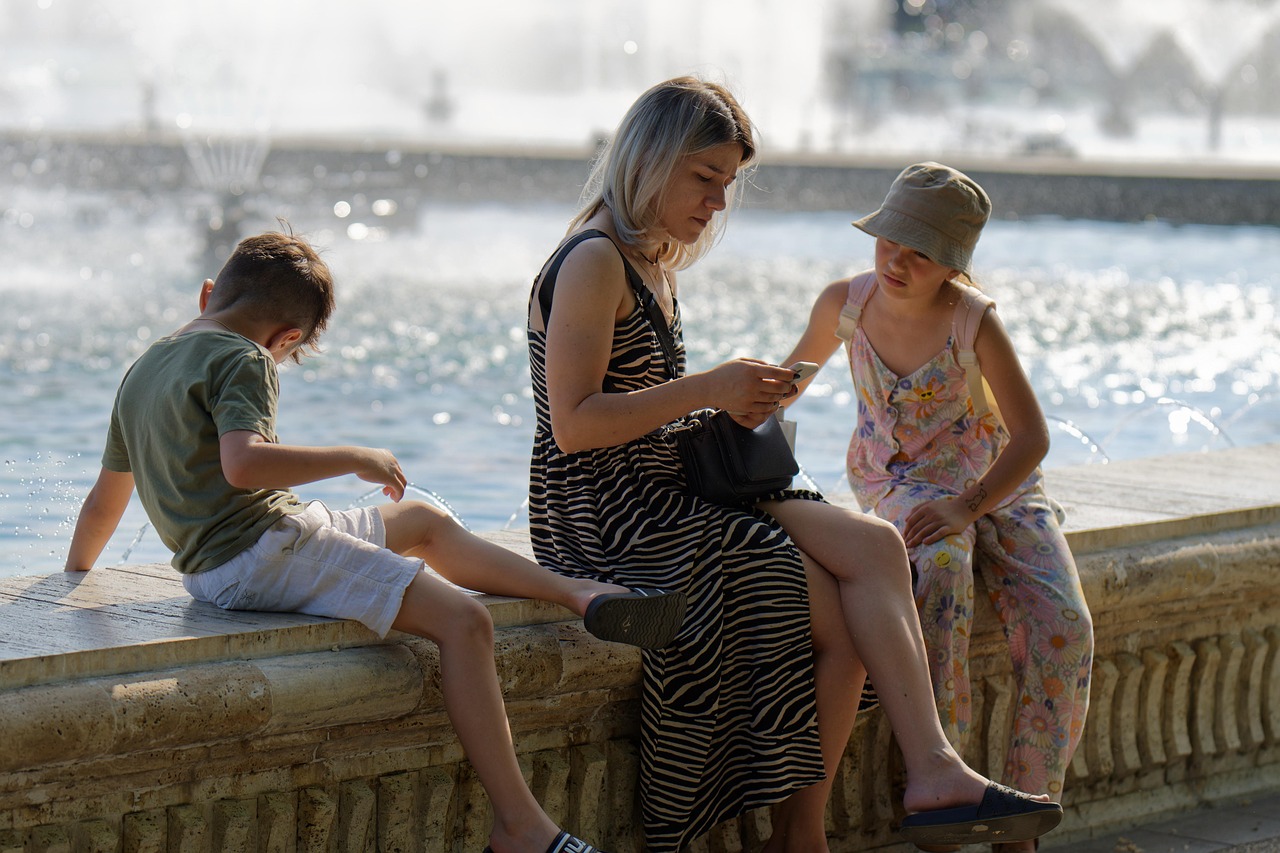
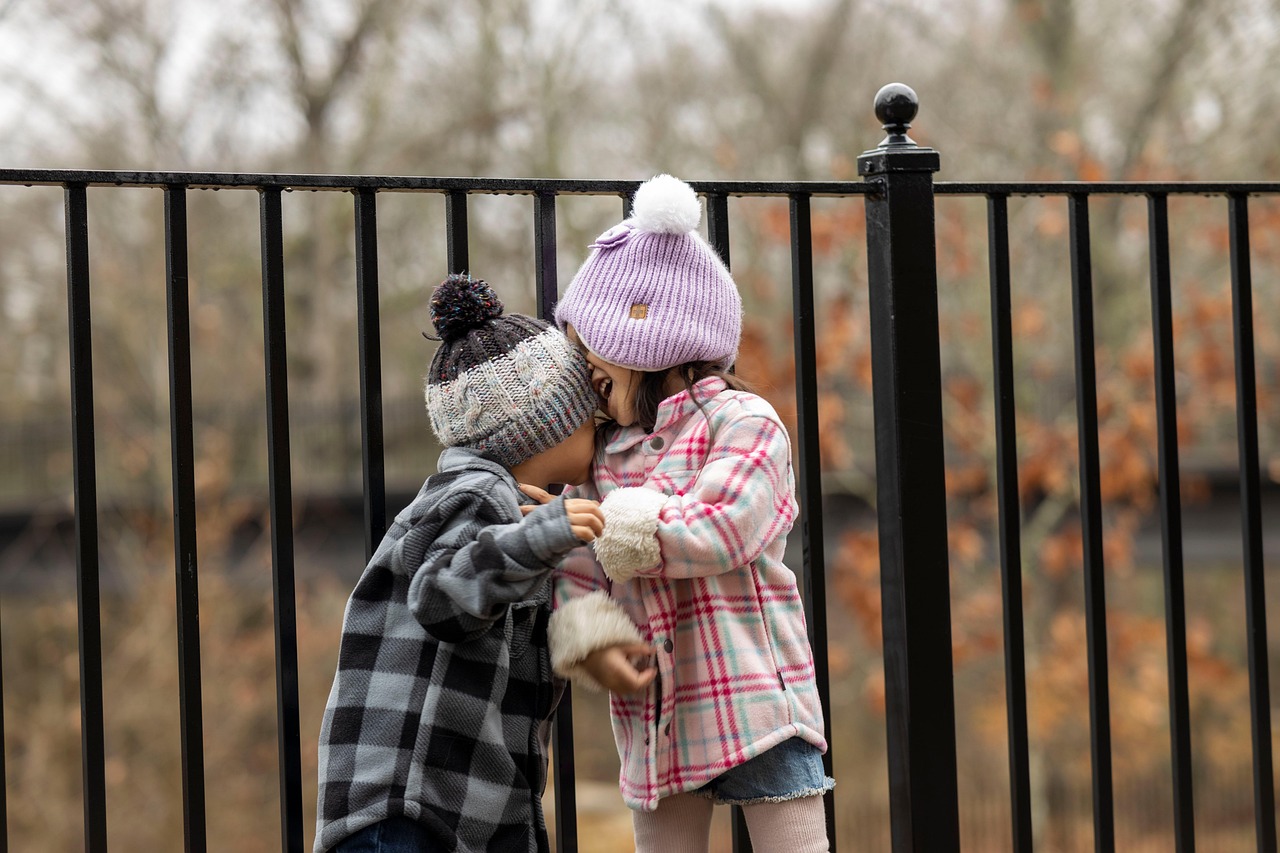
- Sibling Integration: In Austin’s family-focused neighborhoods, siblings are a child’s first and most frequent playmates. Therapists can facilitate turn-taking and cooperative play in the backyard, ensuring the child learns to interact with peers who don’t “act like teachers.”
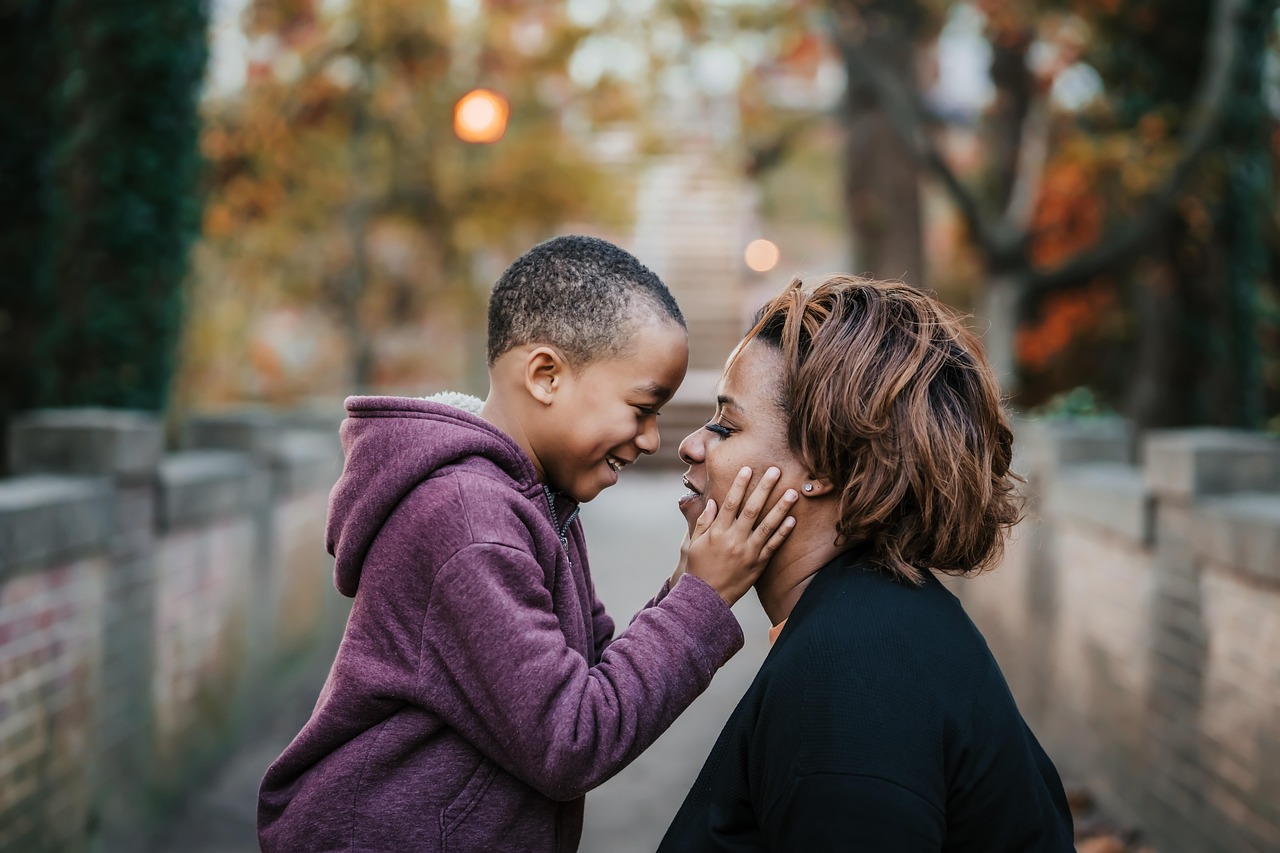
- Parental Consistency: Because parents are present during autism in home therapy, they can immediately adopt the same language and reinforcement strategies used by the clinician. This ensures the child receives a consistent message 24 hours a day, not just during therapy hours.
- Extended Family Involvement: If a grandparent or caregiver frequently visits the home, they can be looped into the session. This multi-person approach ensures the child’s communication skills generalize to every adult in their life.
Navigating Daily Routines via Autism In Home Therapy
Austin families are often on the move, and the “morning rush” or “bedtime wind-down” can be the most challenging times of day. Autism in home therapy allows a Board Certified Behavior Analyst (BCBA) to design interventions that fit the family’s actual schedule.
- The Breakfast Transition: Therapists can work with the child during their actual breakfast routine, targeting skills like sitting at the table, using utensils, and requesting more milk in a high-distraction, real-world setting.
- Hygiene and Self-Care: Mastering the “bedtime routine” is often a top priority for parents. Autism in home therapy allows for evening sessions that target tooth-brushing, changing into pajamas, and transitioning to sleep in the child’s own bedroom.
- Chores and Independence: Learning to put away toys or clear a plate is much more effective when done in the child’s actual living space. These skills promote a sense of belonging and contribution to the household.
Community Integration Through Autism In Home Therapy
One of the greatest perks of living in Austin is the abundance of outdoor and community spaces. Autism in home therapy serves as the perfect “launching pad” for taking skills out of the house and into the local neighborhood.
- Park and Playground Success: A session can easily transition from the living room to a nearby Austin trail or playground. The therapist can coach the child on how to wait for a swing or initiate play with an unfamiliar peer in a real-world social environment.
- Safe Community Navigation: Practicing safety skills, such as “stop and wait” at a crosswalk or staying close to a parent in a busy grocery store, is far more effective when done at the actual locations the family frequents.
- Generalizing to Public Settings: Whether it’s a trip to a local library or a “practice run” at a neighborhood coffee shop, autism in home therapy provides the support needed to ensure the child can handle sensory inputs and social expectations in the community.