


Introduction
Social skills are the foundation of meaningful human interaction. They include the ability to communicate effectively, understand social cues, build relationships, and respond appropriately in different social contexts. For many individuals, especially those with autism spectrum disorder and other developmental differences, these skills do not develop naturally or consistently without structured teaching. Applied Behavior Analysis (ABA) therapy has become one of the most widely used and evidence-based approaches for teaching social skills in a systematic and measurable way. Social skills training within ABA focuses on breaking down complex social behaviors into teachable components, reinforcing positive interactions, and gradually helping individuals generalize these skills into everyday life.
Understanding Social Skills in ABA Therapy
At its core, ABA is based on the science of learning and behavior. It examines how behavior is influenced by the environment and how learning takes place through consequences such as reinforcement and feedback. When applied to social skills training, ABA uses these principles to help individuals learn behaviors that may not come intuitively. These behaviors might include initiating conversations, maintaining eye contact, taking turns in conversation, interpreting facial expressions, understanding personal space, or responding to peers in group settings. Rather than assuming these skills will develop on their own, ABA therapy treats them as explicit learning targets that require structured instruction and consistent practice.
Assessment and Identification of Social Skill Deficits
Social skills training in ABA typically begins with a detailed assessment. Therapists, often Board Certified Behavior Analysts, observe the individual in different settings to identify strengths, challenges, and missing skills. This assessment may involve direct observation, interviews with caregivers or teachers, and standardized tools that evaluate social communication abilities. The goal is to identify specific, measurable skills that need to be taught. For example, instead of broadly targeting “improving social skills,” the plan may focus on teaching the individual to greet peers appropriately, ask for help when needed, or respond to questions in a conversation.
Breaking Down Complex Social Behaviors
Once target skills are identified, ABA therapy breaks them down into smaller, manageable steps. This process is known as task analysis. Many social behaviors that seem simple to neurotypical individuals are actually complex chains of behavior. For instance, initiating a conversation involves noticing a social opportunity, approaching the person, making an appropriate greeting, waiting for a response, and then continuing the interaction based on the other person’s reply. ABA identifies each of these steps and teaches them systematically so the learner can build competence gradually rather than feeling overwhelmed by the entire skill at once.
Teaching Methods Used in ABA Social Skills Training
Instruction in social skills often involves modeling, prompting, and reinforcement. Modeling means demonstrating the desired behavior so the learner can observe what it looks like in practice. Prompting involves giving cues or assistance to help the individual perform the behavior correctly, which may include verbal hints, gestures, or physical guidance depending on the learner’s needs. Reinforcement is used to strengthen the behavior by providing positive consequences such as praise, tokens, preferred activities, or social rewards when the skill is demonstrated correctly. Over time, prompts are gradually faded so the individual can perform the skill independently.
Role-Playing and Practice Sessions
A significant component of social skills training in ABA is role-playing. In structured sessions, therapists create simulated social situations where the individual can practice skills in a safe and controlled environment. For example, a therapist might role-play a school recess scenario where the learner practices joining a group game, or a store interaction where they practice asking for an item. Role-playing allows for repetition and correction without the pressure of real-world consequences. It also helps build confidence before the individual applies the skill in natural settings.
Generalization of Social Skills
However, practicing in structured environments alone is not enough. One of the major goals of ABA social skills training is generalization, which refers to the ability to use learned skills across different environments, people, and situations. A child may learn to greet a therapist correctly during sessions but still struggle to greet classmates at school or family members at home. To address this, ABA programs intentionally incorporate multiple settings, different communication partners, and varied scenarios. Caregivers and teachers are often involved in reinforcing the same skills outside of therapy sessions to ensure consistency and broader application.
Peer Interaction and Group-Based Learning
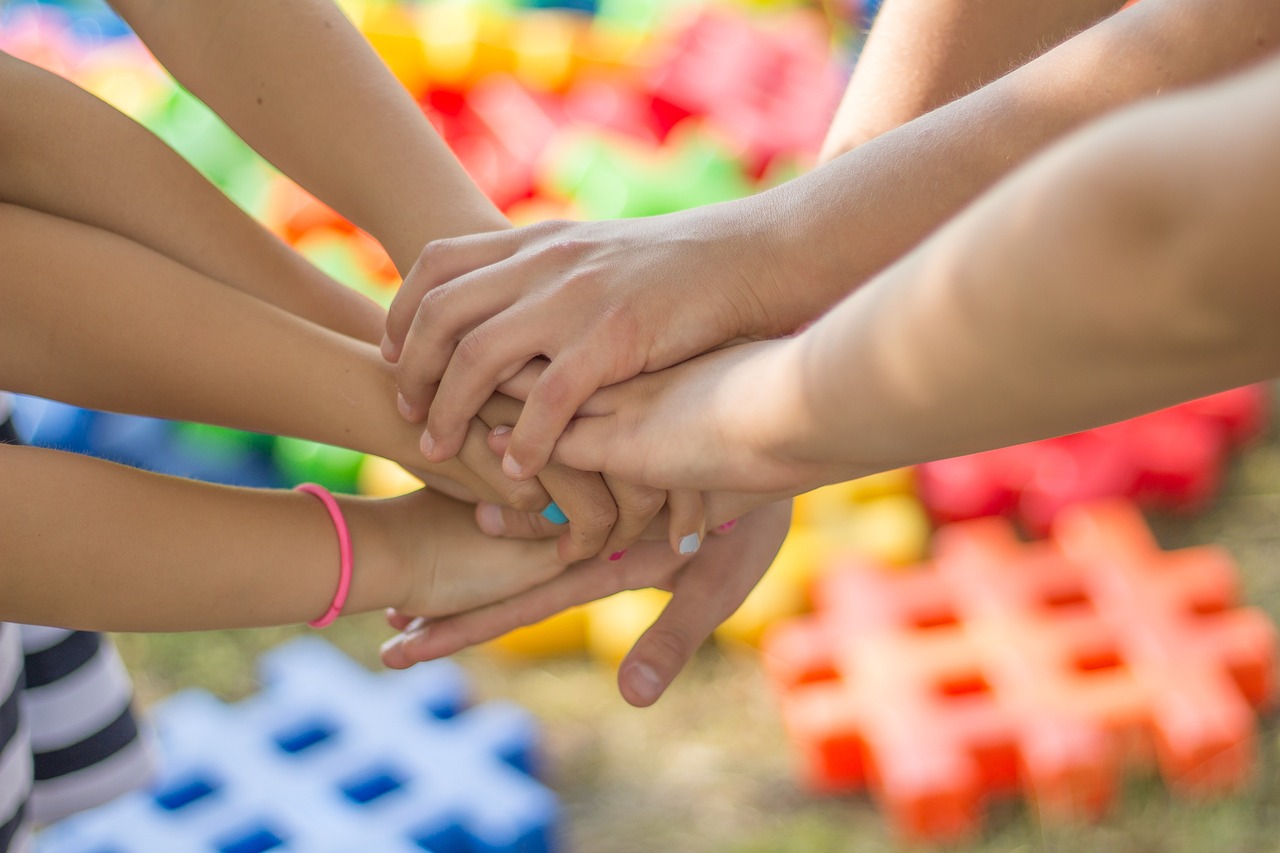
Peer interaction is another important element of social skills training in ABA. Many programs include group sessions where individuals can practice social behaviors with peers who are also learning similar skills. These group settings provide natural opportunities for conversation, cooperation, sharing, and problem-solving. They also help individuals learn to navigate real-time social dynamics such as waiting for turns, handling disagreements, or adjusting behavior based on group feedback. Peer-mediated interventions, where typically developing peers are trained to support social interaction, can also be highly effective in promoting natural engagement.
Communication and Language Development
Communication skills are deeply connected to social skills, and ABA therapy often integrates both. Verbal and nonverbal communication are taught explicitly, including understanding tone of voice, recognizing body language, and using appropriate language in different contexts. For individuals who are nonverbal or have limited speech, ABA may incorporate augmentative and alternative communication systems such as picture exchange systems or speech-generating devices. These tools allow individuals to participate in social interactions even if spoken language is limited, ensuring that communication barriers do not prevent social connection.
Emotional Understanding and Self-Regulation
Another important focus in ABA social skills training is emotional understanding and regulation. Many individuals who struggle with social interaction also find it difficult to recognize their own emotions or interpret the emotions of others. ABA programs may teach emotional identification using visual aids, stories, or real-life examples. Learners are taught to recognize facial expressions, body language, and situational cues that indicate how someone might be feeling. In addition, they are taught coping strategies for managing frustration, anxiety, or overstimulation during social interactions, which helps prevent challenging behaviors and supports positive engagement.
Natural Environment Teaching and Real-Life Application
As individuals progress in their social skills training, ABA therapy often shifts toward more naturalistic teaching methods. Instead of structured drills, therapists create opportunities for learning within everyday activities. This might include practicing ordering food at a restaurant, participating in group play at a playground, or engaging in classroom discussions. Natural Environment Teaching allows skills to be learned in the context where they will actually be used, increasing the likelihood of long-term retention and independence.
Role of Families and Caregivers
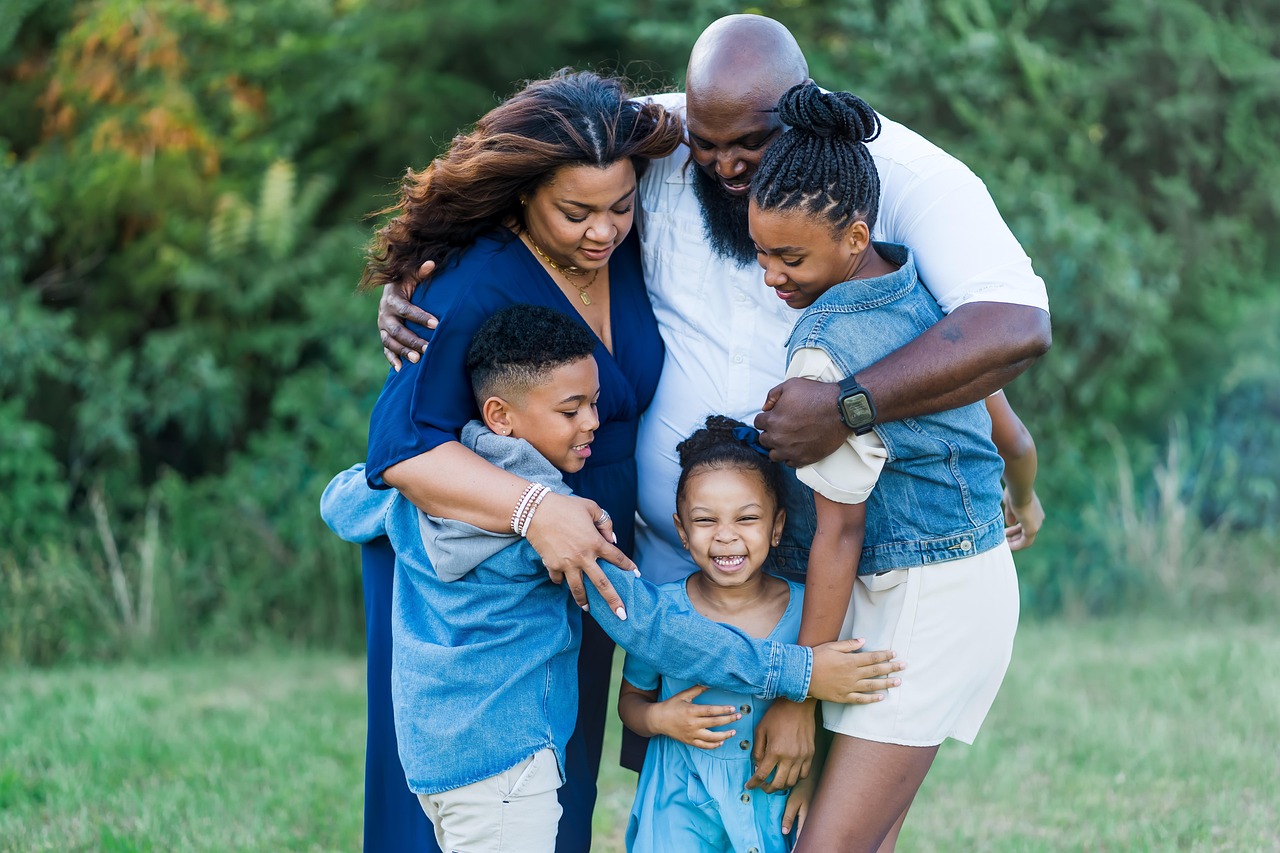
Family involvement plays a crucial role in the success of social skills training in ABA. Parents and caregivers are often trained to reinforce skills at home and in community settings. They learn how to prompt appropriate social behaviors, provide reinforcement, and create opportunities for practice. This consistency across environments helps ensure that the individual is not only learning skills in therapy but also using them in real life. When families actively participate, progress tends to be faster and more stable over time.
Data Collection and Progress Monitoring
Data collection is another defining feature of ABA-based social skills training. Therapists continuously measure progress by recording how often a skill is performed correctly, how much prompting is required, and how independently the individual is able to use the skill. This data-driven approach allows for ongoing adjustments to the treatment plan. If a strategy is not effective, it can be modified based on objective evidence rather than guesswork. This ensures that therapy remains individualized and responsive to the learner’s needs.
Ethical and Person-Centered ABA Practice
Despite its structured nature, effective social skills training in ABA is not rigid or mechanical. Modern ABA practices emphasize compassion, respect, and individuality. The goal is not to make individuals conform to a single standard of behavior but to help them gain the tools needed to communicate, connect, and navigate the social world in a way that is meaningful and comfortable for them. Ethical ABA practice prioritizes autonomy, dignity, and quality of life, ensuring that social skills training supports authentic relationships rather than forced interactions.
Long-Term Outcomes of Social Skills Training
Over time, successful social skills training in ABA can lead to significant improvements in independence and quality of life. Individuals may become more confident in initiating conversations, forming friendships, participating in group activities, and advocating for their needs. These skills can also support academic success, employment opportunities, and community involvement. While progress varies from person to person, consistent and individualized ABA intervention can create meaningful change in how individuals experience and participate in social life.
Conclusion
In conclusion, social skills training in ABA therapy is a structured, evidence-based approach to teaching the complex behaviors required for successful social interaction. It involves careful assessment, step-by-step instruction, modeling, reinforcement, role-playing, and real-world practice. By focusing on both skill acquisition and generalization, ABA helps individuals build the confidence and ability to engage meaningfully with others across different environments. When implemented thoughtfully and ethically, it serves as a powerful tool for enhancing communication, connection, and overall quality of life.