





Finding activities that help a child with autism learn and grow can be an important part of supporting their development. Parents may wonder which games encourage communication, how everyday routines can become learning opportunities, or what therapists do during ABA sessions. The answer depends on the child’s interests, current abilities, and the skills they want or need to develop.
Applied Behavior Analysis (ABA) therapy uses principles of learning and behavior to help children work toward individualized goals. Activities may focus on communicating needs, participating in daily routines, developing practical skills, or engaging in preferred forms of play. Some activities involve structured instruction, while others take place naturally during playtime, meals, or family activities.
The most effective activities are not necessarily the most elaborate. A simple puzzle, a favorite toy, or a familiar household routine can provide valuable opportunities for learning when the activity has a clear purpose and matches the child’s needs.
ABA therapy should also recognize that children learn differently. Activities should allow for choice, appropriate breaks, and different ways of communicating. Understanding how these activities work can help parents make informed decisions about therapy and collaborate with professionals to support meaningful progress.
Why Activities Matter in ABA Therapy
Activities give children opportunities to practice skills in ways that can be observed and adjusted. Instead of teaching a skill only through explanation, a therapist can create an experience in which the child has a chance to use it.
For example, if a child is learning to request assistance, the therapist may incorporate that goal into a puzzle or building activity. If the goal involves greater participation in daily routines, the therapist may work on a manageable part of getting dressed or putting away belongings.
Activities also help therapists identify what encourages engagement. Some children prefer visual tasks, while others respond better to movement, music, building materials, or familiar routines.
An activity should always connect to an appropriate goal. Children do not need to complete endless exercises to make progress, and a session should not become a sequence of demands without time for rest or exploration.
The purpose is to provide useful learning opportunities while respecting the child’s interests, communication, and comfort.
Communication Games That Encourage Self-Expression
Communication activities can help children express preferences, request assistance, and share information in ways that work for them. The appropriate approach depends on each child’s communication abilities.
A choice-making game is one simple example. An adult might offer two activities, such as drawing or building with blocks, and allow the child to select one. The child can respond verbally, point, gesture, use pictures, or communicate through an AAC device.
Another activity involves requesting help during a preferred task. If a child needs assistance with a toy, the therapist can create an opportunity for the child to ask for support. The adult should respond to the communication attempt rather than deliberately prolonging frustration.
Families can also practice communicating preferences during meals, playtime, and household activities. A child may indicate which item they want, ask for more, or communicate that they are finished.
These activities should respect all effective forms of communication. The goal is to make self-expression more accessible, not to require children to speak or respond in a particular way before their needs are acknowledged.
Building Skills Through Building Blocks and Puzzles
Building blocks and puzzles can support a variety of learning goals while allowing children to engage with familiar materials. These activities can be adapted to different skill levels and interests.
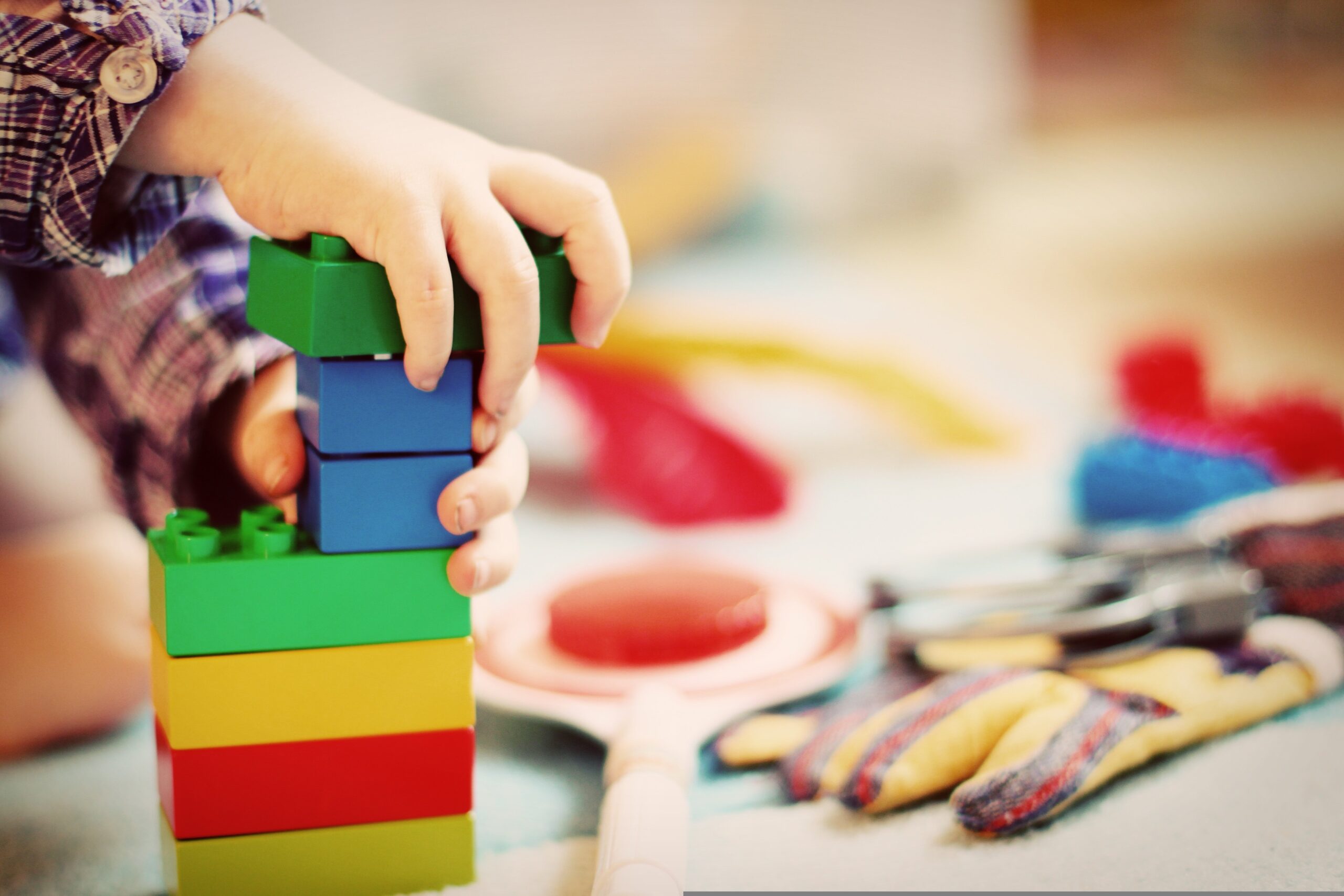
During a block-building activity, a child may choose colors, request a particular piece, ask for assistance, or decide how to arrange the structure. If shared play is a meaningful goal, the child may also have opportunities to communicate preferences with another person.
Puzzles can be used to practice matching, visual discrimination, problem-solving, or asking for help. A therapist might offer a puzzle that fits the child’s abilities and provide support when needed.
It is important to let children participate in ways that are enjoyable to them. Some children may prefer arranging blocks in a particular pattern or completing a puzzle independently. These interests can be respected while the team considers whether additional learning opportunities are appropriate.
The activity should not become a test of how well the child follows an adult’s instructions. It should provide a useful and engaging way to develop skills.
Learning Through Pretend Play and Favorite Interests
Some children enjoy imaginative play, toy animals, dolls, miniature vehicles, or pretend household activities. When these experiences interest the child, they can create opportunities to practice communication, explore ideas, and develop flexible participation.
For example, a child who enjoys toy cars might create a route, choose where the cars should go, or ask another person to join. A child who likes pretend cooking may choose ingredients, arrange play food, or communicate what they would like to make.
Therapists can build on these interests without directing every part of the activity. Following the child’s lead may help maintain engagement and provide insight into what the child enjoys.
Not every child prefers pretend play, and imaginative play should not be a required measure of development for every learner. Children may prefer repetitive play, collecting objects, observing, or exploring materials in other ways.
The important question is whether the activity supports a meaningful goal and provides a positive experience for the child.
Everyday Household Activities as Learning Opportunities
Household routines can provide practical opportunities to develop independence and communication. Activities such as setting out clothes, organizing toys, washing hands, or preparing a simple snack can be adapted to the child’s current abilities.
For instance, a child might practice placing utensils on a table, choosing between two snack options, or putting personal belongings into a designated container. The adult can break the activity into manageable steps and provide assistance where necessary.
These activities can be particularly relevant because they take place in familiar surroundings. Parents and therapists can identify which steps the child already completes and which may need additional support.
Adaptations are important. A child may need a visual reminder, more time, different materials, or assistance with a motor task. The objective is not to insist on one specific way of completing an activity.
Children should also be able to decline tasks, communicate discomfort, and take breaks. Learning practical skills should support their participation in family life rather than create unnecessary pressure.
Visual Matching and Sorting Activities
Matching and sorting activities can provide structured learning opportunities using everyday objects, picture cards, or toys. Depending on the child’s goals, activities might involve grouping items by color, matching identical pictures, or sorting familiar objects into categories.
For example, a child might match photographs of household items to the actual objects. Another child may enjoy sorting toy animals or organizing blocks according to a preferred feature.
These activities can support visual discrimination, categorization, and problem-solving. They may also create opportunities for communication when the child needs a different item or wants to ask for help.
The level of difficulty should match the child’s current abilities. If the task is too challenging, the therapist can simplify it or provide additional support. If the child loses interest, the team can consider a different activity.
Structured games are most useful when they serve an appropriate purpose and remain responsive to the child’s engagement.
Movement Activities and Learning Through Action
Movement-based activities can be a good fit for children who enjoy being physically active. Depending on the child’s preferences and abilities, a session might include tossing a soft ball, dancing to preferred music, walking along a simple path, or playing a familiar movement game.
These activities can create opportunities to communicate choices, request another turn, or indicate when the child wants to stop. They may also support participation in shared activities when this aligns with the child’s goals.
Movement activities should be adapted to physical abilities, sensory preferences, and safety needs. A child who dislikes loud music should not be required to participate in a noisy game, and children should be able to choose alternatives when appropriate.
Parents should remember that movement and sensory preferences vary widely. Activities are not intended to eliminate harmless repetitive movements or force children to tolerate experiences they find uncomfortable.
The aim is to make learning accessible and enjoyable while respecting individual needs.
Using Visual Schedules to Support Transitions
Visual schedules can help children understand the sequence of activities throughout the day. They may use photographs, pictures, symbols, or written words to show what happens next.
For example, a schedule might show a sequence of breakfast, getting dressed, and preparing to leave home. A smaller visual guide could illustrate the steps involved in brushing teeth or putting away toys.
A therapist may help the family select a format that matches the child’s communication and learning preferences. Some children understand photographs most easily, while others respond well to simple symbols or written lists.
Visual schedules can also help prepare children for transitions. Showing what comes next may make a change more understandable, particularly when combined with advance notice and opportunities to ask questions.
Schedules should remain flexible. When plans change, adults can explain the change and provide support rather than expecting the child to follow the original sequence regardless of circumstances.
Activities That Support Emotional Regulation
Children may experience frustration when an activity is difficult, an environment is overwhelming, or their needs are not understood. Activities that support communication and predictability can help children express what they need during these moments.
For example, a child may practice using a communication card or device to request a break. Another child may benefit from identifying preferred quiet activities or choosing between two manageable options.
A visual feelings chart may help some children communicate an emotional state, but it should not be assumed that every child can identify or label feelings in the same way. Alternative communication methods should remain available.
When a child becomes distressed, adults should prioritize safety, reduce unnecessary demands, and consider possible causes such as sensory overload, fatigue, pain, or communication barriers. The immediate goal is not to complete the activity at all costs.
Therapy can help families identify supportive strategies, but it should not require children to hide distress or tolerate uncomfortable situations simply to appear calm.
How Positive Reinforcement Fits Into Activities
Positive reinforcement can encourage a child to continue practicing a meaningful skill. In simple terms, it involves following a behavior with an outcome that makes that behavior more likely to happen again in similar circumstances.
During a preferred activity, a therapist might acknowledge a child’s request for assistance and provide the help they need. A child who enjoys drawing might be encouraged to choose materials independently, with the opportunity to use the selected items following the choice.
Reinforcement should reflect the child’s interests and be used respectfully. Some children enjoy encouragement, while others prefer access to a preferred activity or the opportunity to make a decision.
Adults should avoid using rewards to override a child’s refusal, suppress harmless self-regulatory behavior, or make access to basic needs conditional on compliance.
The purpose is to make skill development meaningful and accessible, not to control every aspect of a child’s behavior.
The Role of Parents in Everyday Activities
Parents can support their child’s development by working with the clinical team to identify activities that fit family routines. This does not mean every household interaction must become a formal teaching session.
A parent might offer choices during breakfast, encourage a child to request help during play, or use a visual reminder for a familiar task. These opportunities can help reinforce communication and independence when they align with the child’s treatment goals.
Parents should ask their provider which strategies are appropriate and how to use them without creating conflicting expectations. It is also important to leave room for spontaneous play, relaxation, and family connection.
Some days, a child may participate enthusiastically; on other days, they may need more support or fewer demands. Families can adapt activities according to the child’s needs and seek guidance when a strategy consistently causes difficulty.
A collaborative approach allows parents to contribute their knowledge without feeling responsible for delivering therapy throughout the day.
How to Know Whether an Activity Is Helpful
An activity should be evaluated according to the goal it is intended to support. If the purpose is to develop communication, parents and therapists should consider whether the child is gaining more effective ways to express needs. If the goal involves daily living, they should examine whether the activity makes participation easier or more independent.
Progress may be gradual. Some children need repeated opportunities, changes to the teaching approach, or additional accommodations before a skill becomes useful.
Therapists should monitor progress and discuss observations with caregivers. If a child consistently becomes distressed, disengages, or does not benefit from an activity, the team should reconsider its suitability.
Parents should feel comfortable asking why an activity was selected, what progress is expected, and how the team will determine whether the approach is helping.
Summary
ABA therapy activities for children with autism can include communication games, puzzles, building blocks, pretend play, household routines, visual schedules, sorting tasks, movement activities, and strategies for emotional regulation. Each activity can be adapted to a child’s individual interests and goals.
The most valuable activities provide opportunities to develop practical skills while respecting the child’s preferences, communication, and need for breaks. Collaboration between parents and qualified professionals helps keep activities appropriate and relevant to everyday life.
Final Thoughts
ABA therapy activities can be simple, familiar, and enjoyable while still supporting meaningful development. A favorite toy, a visual routine, or an opportunity to request help may provide a useful starting point for learning.
Families should focus less on completing a long list of activities and more on understanding which experiences help their child communicate, participate, and develop skills that matter to them. The right approach will vary from child to child and may change as needs and interests evolve.
With individualized planning, respectful support, and regular communication between families and professionals, ABA therapy activities can become practical opportunities for learning that fit naturally into a child’s everyday experiences.