Setting the Stage: Creating an Optimal Learning Environment for Autism Therapy at Home

Creating the right physical and social environment is crucial for maximizing the effectiveness of home-based Applied Behavior Analysis (ABA) therapy. A well-designed learning space in your home is more than just a room with toys; it’s a strategically organized setting designed to minimize distractions, promote focus, and encourage positive interactions. By setting the stage appropriately, […]
Beyond the Clinic Walls: Maximizing Progress with Play-Based Autism Therapy at Home

Therapy for autism spectrum disorder (ASD) doesn’t just happen within the structured walls of a clinic. For many children, the most effective learning occurs in the environments where they live, play, and interact daily. Play-based autism therapy at home leverages the natural motivation of play to teach essential skills in a comfortable and familiar setting. […]
Finding the Right Fit: Connecting with Qualified Providers for Autism Therapy at Home
Choosing an Applied Behavior Analysis (ABA) provider for in-home therapy is one of the most important decisions a family will make following an autism diagnosis. The effectiveness of the therapy depends significantly on the quality of the provider, the qualifications of the team, and the fit with your family’s values and needs. This guide offers […]
Navigating Insurance: Understanding Coverage Options for Autism Therapy at Home
Understanding insurance coverage is often one of the most challenging, yet crucial, aspects of accessing necessary autism therapy, such as Applied Behavior Analysis (ABA) at home. The administrative burden can be heavy, but navigating the system effectively is essential to secure the funding for your child’s treatment. This guide provides a general overview of the […]
A Parent’s Guide: Starting Your Journey with Autism Therapy at Home
Receiving an autism diagnosis for your child begins a journey of discovery and learning. For many families, home-based therapy, such as Applied Behavior Analysis (ABA), is a primary and highly effective intervention strategy. Home therapy offers a comfortable, familiar environment where skills can be taught within natural routines and generalized effectively across the family context. […]
Groups and Resources for Families of Children with Autism

The journey of parenting a child with autism is unique and filled with both challenges and profound joys. While in-home Applied Behavior Analysis (ABA) therapy provides critical, individualized intervention, it is the community support network that often provides the emotional backbone and shared understanding that families need to thrive. Across Austin and beyond, numerous local […]
Self-Care Tips for Parents and Caregivers in the Austin Autism Community
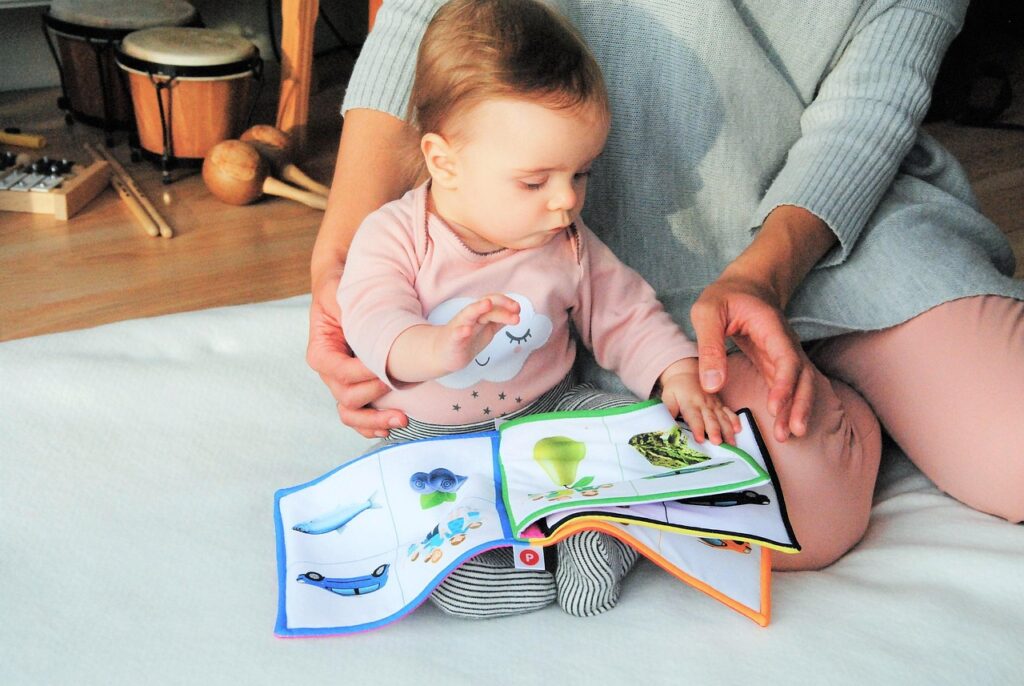
Caring for a child with autism, especially while managing the intricacies of in-home Applied Behavior Analysis (ABA) therapy, is a profound commitment that requires immense emotional and physical energy. While the focus is often on the child’s progress, the well-being of the parents and caregivers is equally crucial. Burnout is a genuine risk in the […]
Balancing ABA Therapy with Other Family Activities and Routines

Integrating in-home Applied Behavior Analysis (ABA) therapy into the dynamic flow of family life can be a delicate but rewarding balance. The goal is to weave therapeutic strategies into the fabric of everyday activities, promoting consistent progress without overwhelming the household’s natural rhythm. This approach maximizes learning and skill generalization, helping children with autism thrive […]
Using Natural Environment Training (NET) for Skill Acquisition

Natural Environment Training (NET) is a powerful, child-led instructional approach rooted in Applied Behavior Analysis (ABA). Unlike traditional, structured methods often conducted at a table (Discrete Trial Training or DTT), NET moves learning into the child’s everyday environment, using their natural interests and ongoing activities as the basis for teaching. The primary goal of NET […]
Fostering Social Skills: Turn-Taking and Sharing
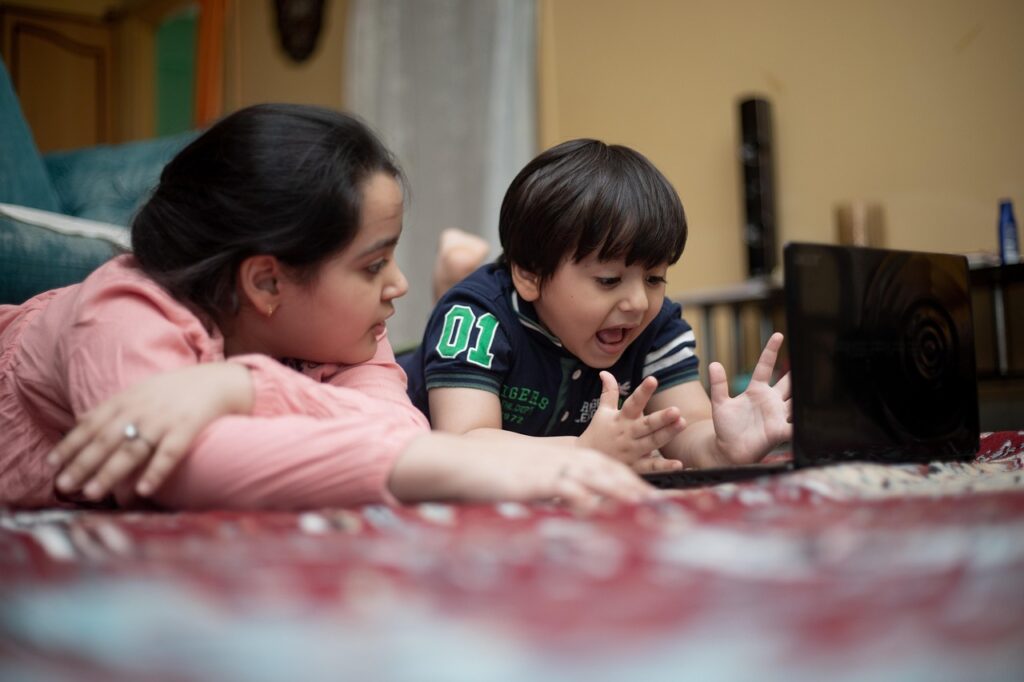
Fostering social skills is a critical component of a child’s development, particularly for those with autism spectrum disorder (ASD). While many social interactions happen in school or community settings, the home is a primary “social lab” where foundational skills like turn-taking and sharing are first learned and practiced with siblings and peers. Applied Behavior Analysis […]