





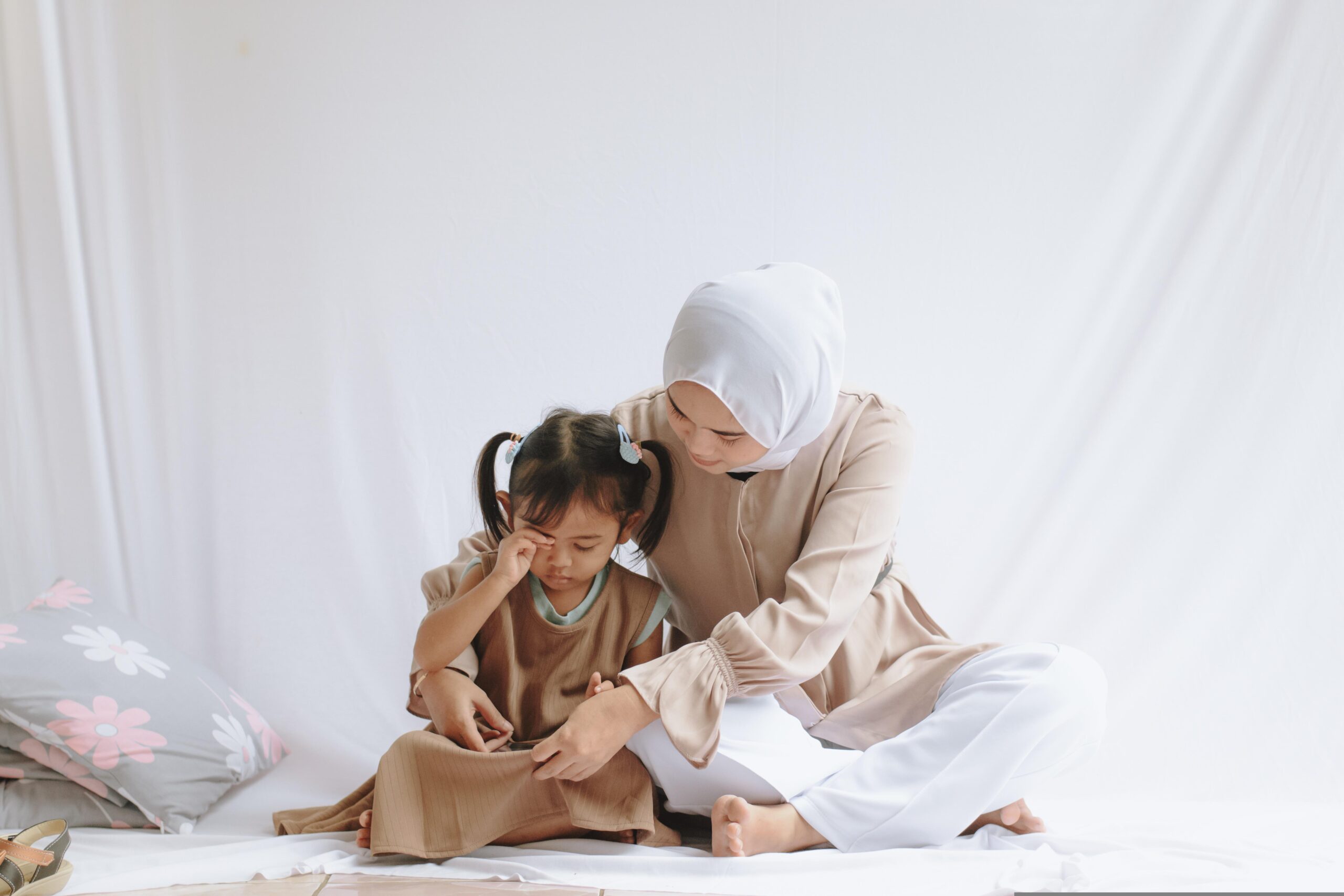

Everyday activities such as getting dressed, brushing teeth, preparing a snack, and organizing belongings may seem simple, but they involve several skills working together. Children need to understand routines, remember steps, coordinate movements, communicate their needs, and manage sensory experiences. For autistic children, some of these tasks may require additional instruction or individualized support.
Applied Behavior Analysis (ABA) therapy can help children learn practical daily living skills by breaking activities into manageable steps, providing clear demonstrations, and creating opportunities to practice. The aim is to help children participate more comfortably in their everyday environments and develop greater independence where possible.
Daily living skills are not the same for every child. One child may focus on self-care, while another may benefit from learning how to communicate a need for assistance, follow a visual routine, or contribute to household activities. Some children will continue to need support, and that is entirely compatible with a meaningful, independent life.
When ABA strategies are selected carefully and coordinated with parents, they can help children practice useful skills within the routines they already experience at home.
1. Focus on Skills That Improve Everyday Life
The most useful daily living goals are those that help a child participate more comfortably in activities that matter to them and their family.
Parents may want to support dressing, handwashing, mealtime participation, personal organization, or bedtime routines. Other goals might include asking for help, recognizing when an item is needed, or completing a familiar sequence of actions.
An ABA professional can help assess the child’s current abilities and identify a reasonable starting point. Parents should explain which routines are going smoothly and which tend to involve confusion, frustration, or significant assistance.
For example, if a child struggles to get ready in the morning, the difficulty may involve remembering the order of activities rather than completing each action. A visual checklist could help more than repeated verbal reminders.
Goals should reflect the child’s needs and strengths. It is often more useful to teach one practical skill well than to introduce several activities that are too difficult to maintain.
By focusing on meaningful priorities, families can make learning relevant without placing unnecessary demands on the child.
2. Use Task Analysis to Teach Multi-Step Activities
Many daily routines involve a sequence of smaller actions. Task analysis helps divide a complex activity into steps that can be taught and practiced individually.
Consider getting dressed. A child may need to choose clothing, identify the front and back of a garment, put it on, adjust it, and place any unused items away. Some children may complete most of these steps but need help with one particular part.
A therapist can assess the sequence and identify where support is most useful. Parents can then practice the relevant steps during the normal routine.
The process should be flexible. A child may benefit from learning the easiest step first, practicing the steps in order, or receiving assistance with only the most difficult part. The method depends on the activity and the child’s abilities.
It is important to give the child enough time to attempt each step and to avoid taking over simply because completing the task independently would be faster.
Small improvements can build confidence and provide a foundation for future learning. Task analysis makes a broad goal more manageable by turning it into practical actions.
3. Make Daily Routines Easier to Understand
Predictable routines can help children understand what to expect and reduce uncertainty during everyday activities. ABA programs may use visual schedules, picture cards, written checklists, or other cues to make routines clearer.
For example, a bedtime schedule might show putting on pajamas, brushing teeth, choosing a story, and getting into bed. A simple morning checklist might show getting dressed, eating breakfast, and preparing a school bag.
Visual supports can reduce reliance on repeated verbal instructions. They may also help children check the next step independently.
Parents should choose a format that fits their child’s communication style. Some children understand photographs best, while others respond to drawings, written words, or symbols.
Introduce the schedule gradually and allow time for the child to become familiar with it. When changes occur, explain what is different and update the visual information when possible.
A schedule should support flexibility rather than become a rigid requirement. If the child is unwell, overwhelmed, or needs a break, the routine may need to change.
4. Encourage Self-Care Through Demonstration and Practice
Self-care activities are common daily living goals because they help children participate in personal routines. These may include brushing teeth, washing hands, combing hair, dressing, or using personal care items safely.
Modeling can make the steps easier to understand. A parent might demonstrate how to wash their hands, then invite the child to try. If the child needs more assistance, the parent can use a visual cue or break the activity into smaller steps.
Practice should account for individual differences. Some children may need additional support with fine motor skills, coordination, sequencing, or understanding instructions. Adaptive tools can make tasks easier and should be considered when appropriate.
Sensory experiences also matter. A child may find certain toothpaste flavors, water temperatures, clothing textures, or grooming tools uncomfortable. Trying a different product or adjusting the environment may help.
Parents should not assume that difficulty completing a self-care task means a child is unwilling to learn. Understanding the reason for the difficulty helps determine which support is most useful.
The goal is to make self-care accessible and comfortable while helping the child develop skills at an appropriate pace.
5. Apply Positive Reinforcement in Helpful Ways
Positive reinforcement can encourage children to practice new daily living skills. It involves following a behavior with a meaningful outcome that increases the likelihood of the behavior occurring again.
For example, when a child puts dirty clothes in a laundry basket, a parent might acknowledge the accomplishment or help them move on to a preferred activity. If the child completes a step of a hygiene routine, the parent can recognize the effort involved.
Reinforcement should be individualized. Some children enjoy praise, while others prefer quiet acknowledgment or the satisfaction of completing a familiar activity.
It is important to reinforce effort and progress, not just perfect completion. A child who independently completes one step of a previously difficult routine may have made meaningful progress even if the rest of the activity still requires assistance.
Parents should also avoid turning basic needs into rewards that can be withheld. Food, water, bathroom access, comfort, and necessary breaks should remain available.
If the child becomes distressed, pause and consider whether the task needs to be adjusted. Encouragement is most useful when it supports learning without creating fear or pressure.
6. Use Prompting Without Creating Dependence
Prompting provides support when a child has difficulty completing a step independently. Depending on the child and the activity, a prompt might be a short verbal reminder, a gesture, a picture, or a demonstration.
For instance, a parent might point to the toothbrush when it is time to begin brushing teeth. A visual sequence might remind the child what to do next without requiring an adult to explain every step.
The amount of assistance should reflect the child’s needs. Too much prompting can limit opportunities to practice, while insufficient support may make a task confusing or frustrating.
When the child begins completing a step more consistently, adults can gradually reduce prompts if appropriate. A child who initially needs a verbal reminder may eventually respond to a visual cue or complete the step independently.
Parents should avoid physically forcing a child through a routine. Assistance should be respectful, safe, and responsive to the child’s comfort.
The goal is not to remove all support as quickly as possible. It is to identify the level of assistance that allows the child to participate successfully and to build independence where feasible.
7. Teach Household Participation Through Small Responsibilities
Daily living skills also include contributing to household routines. Children can participate in simple activities according to their abilities, such as putting toys away, carrying lightweight items, placing napkins on a table, or sorting laundry.
These activities can help children learn sequences, follow visual instructions, and become familiar with everyday responsibilities.
Parents can start with one clear task and demonstrate what completion looks like. For example, a child might learn that books belong on a particular shelf or that building blocks go into a labeled container.
Pictures or labels can help children remember where items belong. Keeping storage areas organized and accessible may also make the task easier.
Avoid introducing too many expectations at once. A simple responsibility that fits naturally into the family’s routine may be more sustainable than a long list of chores.
Household participation should be appropriate to the child’s age, abilities, and safety needs. The purpose is to create opportunities for involvement, not to demand the same level of independence from every child.
8. Support Mealtime Independence
Mealtime offers opportunities to practice communication, coordination, and self-help skills. Depending on the child’s needs, goals may include using utensils, opening a container, pouring a drink with assistance, or helping clear a place setting.
Parents can demonstrate a skill, provide adapted equipment when helpful, and allow the child time to practice. A child who struggles with a regular spoon may benefit from an adapted utensil or a more stable bowl.
Mealtimes should remain comfortable and responsive to the child’s needs. Sensory preferences, oral-motor differences, medical concerns, and difficulties with swallowing can all influence eating.
If a child eats a very limited range of foods, frequently gags, experiences pain, or has significant feeding difficulties, seek guidance from qualified healthcare professionals. An ABA strategy alone may not address the underlying issue.
Avoid using pressure or withholding necessary nutrition to force a child to eat or try a food. The goal should be safe participation and the development of practical skills while respecting health, comfort, and sensory needs.
9. Approach Toileting and Personal Hygiene With Patience
Toileting can be an important daily living goal, but readiness and support needs vary. Some children need help communicating when they need the bathroom, while others require support with clothing, hygiene, or following the sequence of a routine.
Visual schedules and consistent cues may help children understand what happens next. Comfortable clothing and an accessible bathroom can also make participation easier.
Parents should consider possible medical factors, including constipation, pain, or other conditions that may interfere with toileting. If difficulties persist or there are concerning symptoms, consult a healthcare professional.
Accidents should be handled calmly and privately. Shaming or punishment can increase stress and make the process more difficult.
Personal hygiene routines should respect the child’s dignity, privacy, and comfort. Some children may need reminders or assistance for an extended period, and that does not mean they have failed to make progress.
The goal is to develop useful skills while providing the support the child needs.
10. Consider Sensory and Motor Needs
Daily living tasks often involve sensory experiences and physical movements that may be difficult for some children. Clothing fasteners, hair brushing, toothbrushing, water on the face, or the noise of household appliances can create discomfort.
Fine motor difficulties or coordination challenges may also affect a child’s ability to use utensils, fasten buttons, or manipulate small objects.
Parents can observe which parts of a task cause difficulty and consider practical adjustments. Examples include selecting clothing with fewer fasteners, using a larger-handled utensil, reducing background noise, or providing a stable surface for an activity.
An occupational therapist may help assess sensory, motor, and adaptive equipment needs. The ABA team can coordinate with relevant professionals to ensure that goals are realistic and supportive.
If a task repeatedly causes distress, reconsider the activity rather than simply increasing demands. Making a task more accessible can be an important part of teaching independence.
11. Practice Skills Across Different Environments
Children may use a skill successfully in one place but struggle when the environment changes. Generalization strategies help children use learned skills with different people, materials, and settings.
For example, a child who learns to wash their hands at home may practice the same sequence in another familiar bathroom. A child who puts away toys in the living room may gradually practice organizing materials in a bedroom or play area.
Changes should be introduced gradually. Too many differences at once can make it difficult to determine which part of the activity is challenging.
If the child struggles in a new setting, consider whether the routine is different, the materials are unfamiliar, or the usual visual supports are missing.
Parents can discuss generalization goals with the ABA team and choose realistic opportunities for practice. The purpose is to make daily living skills useful in real situations, not to expect perfect performance in every environment.
12. Work With the ABA Team to Monitor Progress
Parents do not need to evaluate every detail of their child’s performance. Instead, they can observe meaningful changes in a few selected routines and share those observations with the treatment team.
Progress might involve completing another step independently, needing fewer reminders, communicating a need for assistance, or participating more comfortably in a daily activity.
The BCBA can help determine whether a strategy is effective and whether the goal needs to be adjusted. If a child is struggling, the team should consider whether the instructions, teaching method, environment, or level of support is appropriate.
Progress should be measured against the child’s own abilities and individualized goals rather than comparisons with other children.
It is also important to recognize when a skill is not a current priority. Family life includes rest, play, relationships, and enjoyment, and not every moment needs to focus on teaching.
Regular communication helps keep the plan practical, responsive, and centered on outcomes that matter to the child.
Summary
ABA therapy can help children develop daily living skills through task analysis, visual supports, modeling, prompting, positive reinforcement, and practice during familiar routines. These strategies may support dressing, hygiene, household participation, mealtime activities, and other practical skills.
Successful teaching considers each child’s abilities, sensory preferences, communication needs, and comfort. Parents can collaborate with qualified professionals to select realistic goals, adjust support, and recognize meaningful progress.
Final Thoughts
Daily living skills can help children participate more fully in their homes and communities, but independence looks different for every child. Some children may complete routines on their own, while others may use visual reminders, adaptive tools, or ongoing assistance.
Parents can make a meaningful difference by starting with small goals, creating opportunities to practice, and responding patiently when challenges arise. ABA strategies are most helpful when they support the child’s actual needs rather than impose unnecessary expectations.
With individualized planning and collaboration between families and professionals, everyday routines can become opportunities to build confidence, practical skills, and greater participation in daily life.