





Implementing a comprehensive Applied Behavior Analysis (ABA) program within a household is a significant transition that affects every member of the family. In the diverse and community-oriented landscape of Austin, home-based ABA therapy offers a unique opportunity for family-centered growth. However, for siblings, the arrival of therapists, the introduction of new routines, and the shift in parental attention can be overwhelming. Quality parent training emphasizes that the success of ABA therapy at home depends largely on how well siblings are integrated into the process. By fostering understanding and participation, parents can ensure that ABA therapy strengthens the sibling bond rather than creating friction.
Navigating the Initial Introduction of ABA Therapy to Siblings
The first step in a successful home-based program is transparent communication. Siblings, regardless of their age, notice when the household dynamic changes. Parents in Austin can prepare siblings by explaining what ABA therapy is in age-appropriate terms.
- Defining the “Why”: Explain that ABA therapy is a way for their brother or sister to learn new skills, much like how they go to school or sports practice to learn new things.
- The “Helper” Narrative: Frame the incoming therapists (RBTs and BCBAs) as “teachers” or “helpers” who are coming to play and learn.
- Establishing Boundaries: Discuss that while the therapist is there to work with one child, they are also a guest in the home, and everyone’s space remains respected.
Managing Time and Attention Shifts During ABA Therapy Sessions
One of the most common challenges in ABA therapy at home is the perceived loss of parental attention. When a parent is engaged in a training session or a child is in a 1:1 session with an RBT, siblings may feel sidelined.
- Scheduled Special Time: Create a “sibling-only” time outside of therapy hours to ensure they feel valued. This could be a trip to an Austin park or a simple 15-minute game.
- Visual Timers: Use visual aids to show siblings how long a therapy session will last. Knowing that “Mom will be free to play when the timer turns green” reduces anxiety and interruptions.
- Explanation of “Work” vs. “Play”: Help siblings understand that during ABA therapy, the child is working hard, and the parent’s presence is part of that learning process.
Fostering Positive Interactions Through Sibling-Inclusive ABA Therapy
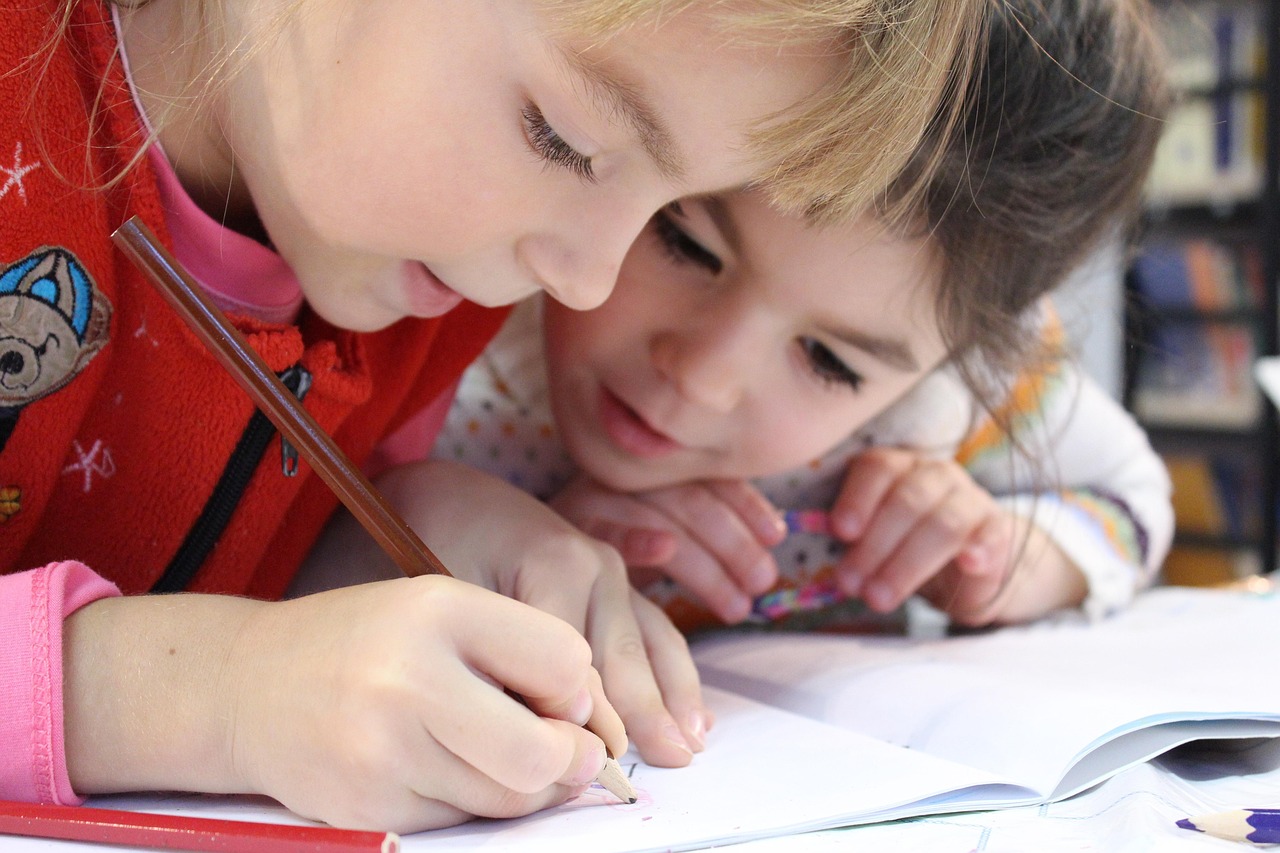
Quality ABA therapy does not happen in a vacuum. Whenever appropriate, siblings should be invited to participate in specific parts of the session. This is known as “Sibling-Mediated Intervention,” a powerful tool in the science of ABA therapy.
- Modeling Social Skills: Siblings are often the best teachers for social interaction. They can model how to share, take turns, or use greetings.
- Supervised Play: The RBT can facilitate “mini-play sessions” where the sibling and the child work together on a goal, such as building a Lego tower or playing a simple board game.
- Reinforcement Training: Siblings can learn how to provide “high-fives” or verbal praise when their brother or sister does something well, reinforcing the positive behaviors learned in ABA therapy.
Understanding the “Rules” of the Home-Based ABA Therapy Program
In an ABA therapy environment, the “consequences” for behaviors might look different for the child in therapy than for the sibling. This can lead to feelings of unfairness.
- Explaining Different Needs: Just as one child might need glasses to see, the child in ABA therapy needs different types of support or rewards to learn.
- Consistent Household Rules: While clinical goals vary, basic household rules (like no hitting or cleaning up toys) should remain as consistent as possible for everyone to maintain a sense of equity.
- The Reward System: If the child in therapy is using a token economy (earning stars for a prize), siblings may feel left out. Consider a parallel “good deed” jar for the sibling so they also feel recognized for their positive contributions.
Creating Private Spaces During Intensive ABA Therapy Sessions
Living in Austin’s urban or suburban environments often means shared spaces. For ABA therapy at home to be effective, both the child in therapy and the sibling need designated “safe zones.”
- The Therapy Zone: Designate a specific area for 1:1 ABA therapy work. Siblings should know that when “work” is happening there, they should play elsewhere to minimize distractions.
- The Sibling Sanctuary: Equally important is a space where the sibling can go to have quiet time, do homework, or play with their own toys without the fear of them being interrupted by the therapy session.
- Shared Respect: Teach the child in therapy to respect the sibling’s space and belongings, using ABA therapy protocols to reinforce “asking permission” or “waiting.”
Addressing Sibling Frustration and Emotional Responses to ABA Therapy
It is natural for siblings to experience frustration, jealousy, or even embarrassment regarding the behaviors that ABA therapy is addressing. Parent training should include strategies for supporting the sibling’s emotional health.
- Open Dialogue: Create a safe space for siblings to express their feelings about the ABA therapy without judgment.
- Validating Feelings: Acknowledge that it is hard when a brother or sister has a meltdown or when the house is loud. Validation prevents the sibling from feeling like their needs don’t matter.
- Sibling Support Groups: Austin has various resources and support groups specifically for siblings of children with developmental needs. Connecting them with peers who “get it” can be incredibly therapeutic.
Teaching Siblings How to Respond to Challenging Behaviors in ABA Therapy
Siblings are often on the “front lines” when a challenging behavior occurs at home. Providing them with a simplified version of the ABA therapy behavior plan empowers them.
- The “Safety First” Rule: Teach siblings to move to a safe area if a behavior becomes physical.
- Instruction on “Planned Ignoring”: If the ABA therapy plan involves ignoring a specific behavior (like whining for attention), explain to the sibling why we are doing it so they don’t inadvertently reinforce the behavior by engaging with it.
- Functional Communication: Teach the sibling how to prompt the child to use their “words” or “signs” before giving them a toy, aligning their interactions with the clinical goals of the ABA therapy.
Celebrating Collective Successes in the ABA Therapy Journey
When a child makes a breakthrough in their ABA therapy at home, it is a win for the whole family. Including siblings in the celebration reinforces the idea that they are part of a team.
- Family Rewards: If the child meets a major milestone, celebrate with a family activity, like a trip to an Austin ice cream shop or a movie night.
- Acknowledging Sibling Patience: Explicitly thank the sibling for their patience during a long session or for helping with a transition. “I saw how well you waited while I was talking to the BCBA; thank you for being so helpful.”
- The “Big Brother/Sister” Role: Highlight the sibling’s importance in the child’s progress. Knowing they are a “hero” in their sibling’s life can be a powerful motivator.
Maintaining a Professional and Respectful Home Environment in ABA Therapy
The arrival of RBTs and BCBAs changes the privacy of the home. Siblings need to feel comfortable with these new adults in their space.
- Introduction Protocols: Ensure that every new member of the ABA therapy team is introduced to the sibling and understands the sibling’s role in the family.
- Professional Boundaries: While the therapists are friendly, they are there for a professional purpose. Helping siblings understand this boundary prevents confusion.
- Sibling Advocacy: If a sibling feels uncomfortable with a certain aspect of the therapy, parents should feel empowered to discuss this with their Austin BCBA to find a solution that respects everyone’s comfort.
Planning for the Long-Term Integration of ABA Therapy
ABA therapy is often a long-term commitment. As siblings grow and their own needs change, the way they interact with the ABA therapy program will also evolve.
- Evolving Roles: As siblings get older, they may want to take a more active role in “teaching” or may need more independence from the therapy routines.
- Ongoing Education: Continue to update siblings on the progress of the ABA therapy. “Remember how he used to hit when he was mad? Look how he’s using his iPad now!”
- Balance: The ultimate goal of parent training in Austin is to find a balance where the child receives the quality ABA therapy they need while the sibling continues to have a full, supported, and happy childhood.
Conclusion: Building a Unified Family Through ABA Therapy
Preparing siblings for ABA therapy at home is an investment in the long-term health of the family unit. By providing clear communication, designated spaces, and opportunities for involvement, parents can turn the challenges of home-based therapy into a bonding experience. In the heart of Austin, where family and community are paramount, an inclusive approach to ABA therapy ensures that every child—regardless of their developmental path—feels seen, heard, and supported. When siblings are treated as partners in the journey, the principles of ABA therapy don’t just change a behavior; they strengthen the foundation of the entire home.